In J.R.R. Tolkien’s The Lord of the Rings, and in Peter Jackson’s cinematic interpretation of these works, the trees are alive and herded by the Ents. This mythical enchanted forest was a source of great fascination to me as a child, though I have never found real forests to emulate quite the same feeling in me. That is, until I saw a grove of Redwood trees looking down on me. On this vacation, I embodied the spirit of the Hobbit, less than 4 feet tall and in the warm embrace of something so old and precious that it was rooted deep into the soil around me.
I am fortunate enough to have family in the San Francisco Bay Area, and so my boyfriend and I took the opportunity of visiting them, and incorporated a little adventure along the way. In this post I will focus less on the things to see and the culture to experience, and more on hiking trails you should check out and views you don’t want to miss. For our part, we flew into the area using the San Francisco and San Jose airports, which are less than an hour apart by car or Uber, allowing for lots of opportunities to find cheaper flights. We made it a week long trip, arriving the Saturday before Labor Day, and departing the Sunday after. With the Labor Day holiday, the ability to work from home while visiting family, and 1 day of PTO, we were able to go on 3 little mini-adventures along the way.
Part 1: Mission Peak – Shrubs, Salt, and San Francisco Views
Despite spending a substantial amount of time in the area, I had actually never before visited Mission Peak in Fremont CA. The peak itself is nothing too impressive – the path is clear and not very technical, the incline is manageable with some steep portions at the very top, and it has the cultural feel of a community park more than a mountain. More hill than “peak” I would say, but a hill with a clear purpose. Locals use this as a training ground for their races, hikes, and all sorts of adventure. We decided to see what the hype was about and join in the fun.
While I wouldn’t recommend going here if you’re touristing in the area – after all, there are plenty more hikes and views to be had – if you’re spending a while there then it’s worth a visit for some fresh air and exercise. In the winter months, the path is covered in picturesque fog, and for the short weeks of spring it is graced by wildflowers. A grazing grounds for cows in the area, make sure you keep an eye on where you step! For us, this served as a nice warm up hike to the adventures to come and provided a view into what it might be like to live near the hiking. To get to good hiking in Boston, you have to drive – and I mean, really drive. So the thought of a nice training ground in one’s backyard is certainly tempting.
The highlight of this experience was that as you approach the top of the peak, you get views that stretch farther than you expect. We were able to spot the Bay Bridge in the distance, and were told that the Golden Gate Bridge is also visible on clearer days. Moreover, I had no idea that California had salt flats – and right near San Francisco! We saw the white stretch of salt much closer to us than we anticipated. All in all, this was an experience that I enjoyed, though not one I would recommend going out of your way for. If you live near this area though, hit up Mission Peak as a good spot to train for your next big hike!
Part 2: Yosemite – Big Rocks, Big Waterfalls, Big Trees
Ok so here’s the real meat of the adventure portion of our trip. We spent one night in Coulterville CA, a town that is about an hour outside of Yosemite National Park, and provides affordable AirBnBs for those visiting the park. On Monday we drove the 4-5 hours from the Bay Area to Yosemite National Park, and on Tuesday we drove home. While this was a short visit, and the extent of our activities was time limited, we still managed to cover 3 regions of the park and have what felt like a fairly thorough visit.
Getting There & Getting Around:
We opted to drive, and that is certainly the best way to do the journey. However, if you’d prefer not to drive there is apparently public transit access to the park through Amtrak and a system called YARTS. We didn’t use this system, and can’t provide too much information around it, but I love to see public transit in places that I don’t expect it. Especially in one of our treasured national parks, hopefully providing access to many people who would otherwise be unable to get there! Once you’re in the Yosemite Valley area, there is a shuttle service that will take you around. It is suggested that you park your car at your first stop (we chose Curry Village) and then use the shuttle service to get around during the day.
It’s critical to visit the website for a national park before your visit, as this is where you’ll find the most up-to-date information about road and trail closures, weather conditions, and any specific entry requirements. In the summer, to control crowds, Yosemite requires that you make a reservation online before visiting the park. The reservation is free, with a $2 online processing fee, and the usual National Park entry fee is still due at the entrance of the park, but this means fewer lines and easier access for more people. We easily got reservations for the day we were going, and after paying the per-car entry fee we gained access for 3 days, though we only used 2. It’s likely that reservations are harder to come by on weekends or during peak season, so make sure you plan ahead for this. Additionally, the entry fee cannot be paid by cash and many of the stores and restaurants in the park do not accept cash either, so make sure you have a contactless payment method available to you.
Yosemite Valley:
Oh the views we viewed! We spent our entire first day in the Yosemite Valley area of the park and enjoyed many miles of walking, a little hiking, and spectacular sights. Start your day with a walk around the Lower Yosemite Falls Trail. This trail has an accessible route available for wheelchair users, and the non-accessible route is also very family friendly as it only features a small portion with greater than 15% incline. This takes you to the bottom of Yosemite Falls and provides a nice view. You can extend the walk by adding in Cook’s Meadow Loop which is just across the street from the Lower Yosemite Falls Trailhead and features some informative signposts about the formation of the valley and some of the adverse weather events that still affect life in the valley.
View of Yosemite Falls
We started our day pretty late, given the long drive to the park, so after these two trails we headed straight to our lunch reservation at The Ahwahnee. This is a beautiful lodge nestled in Yosemite Valley. If you can afford it, and you book early enough, it’s probably a great place to stay as you visit the park as well. For us, we enjoyed walked around the public spaces of the lodge and eating in their gorgeous dining room with high ceilings. The food was surprisingly reasonable in pricing and excellent in preparation. If you’re short on energy, you can take the shuttle service from Cook’s Meadow over to The Ahwahnee. In our case, we had plenty of energy and limited time and found that walking was actually faster.
After lunch we once again took the walking strategy and made our way to the Vernal Falls Trailhead. We committed ourselves to making it, at a minimum, to the Vernal Falls Footbridge. This spot cuts the hike to the top of Vernal Falls in half, and before you reach it you will experience some of the challenging inclines that will continue up to the top of Vernal Falls. While my boyfriend had the energy to keep going, I was somewhat tapped out by this point and could not continue to the top of the falls. However, the falls are beautiful and if you have the physical capacity to do it, I would recommend completing this hike! For myself, I intend to come back and conquer it on a day when I’m holding a permit for climbing Half Dome, the trailhead for which is at the top of Vernal Falls.
If you need a little more exercise at this point in your day, you can drive back to Tunnel View where you get picturesque postcard views of the highlights of Yosemite Valley. From here, you can access the trail up to Inspiration Point where artists allegedly captured some of the first paintings of El Capitan and Half Dome. Due to natural changes in the geography of the valley, the view is now an obstructed one, but still makes for an interesting hike.
Glacier Point:
The Glacier Point area of the park is nearly 2 hours drive away from the main Yosemite Valley area and is not serviced by shuttles. Moreover, the single road that accesses Glacier Point and other sites in this section is closed throughout the winter, so check the National Park Service website before your trip to make sure you’re in the right season for this area. We started by driving out to Glacier Point itself, where you can take a leisurely stroll to an iconic viewpoint. Be aware that even in the summertime, the view can be affected by weather conditions. In our case, it was a smoky day with a high fire risk which made the view less clear.
We drove a little ways back down the road to Glacier Point and parked at a trailhead. Here we did a loop hike where we first climbed Sentinel Dome (a far easier climb than Half Dome, but one that still affords 360 degree views of the Yosemite Valley) then made our way back via Taft Point. There are multiple views along this hike and it is a generally scenic experience with the classic extra tall trees all around you.
Smoky view of Half Dome from Sentinel Dome
Mariposa Grove:
This is the real Lord of the Rings moment, when you feel like any one of the trees around you could suddenly shift, pick you up, and take you on a little walk through the woods like an Ent. There is clear signage in this area that takes you to a parking lot, from which you can take a shuttle up to the Mariposa Grove. For those who are more ambitious, it is possible to hike up to the Grove from the parking lot. Once you are at the Grove, there are multiple well marked loop trails of varying distance to try out. We went with the Grizzly Giant Loop which features several iconic Redwood trees including the Grizzly Giant.
Grizzly Giant – Mariposa Grove
Part 3: Muir Woods – Water, Wind, and Woods
The third adventure we went on during this trip (a good 5 days after Yosemite, to give our legs time to rest) was to the Muir Woods. This is a convenient day trip from any part of the San Francisco Bay area and is just north of the city of San Francisco. Be sure to reserve parking ahead of time! The parking lots here fill up fast and without an advanced reservation you will not be able to visit the park. For the casual visitor, there is an entrance fee from the main visitor center to explore the Redwood grove.
If you’re willing to hike though, you don’t need to pay a fee to enter the Muir Woods forest. We followed the Dipsea Trail from the Muir Woods parking lot all the way to Stanley Beach. On the return, we found a fork off point where we hopped onto the Ben Johnson Trail. This trail eventually becomes the Hillside Trail and leads right into the heart of the Muir Woods. I loved the changes in terrain on this hike. There is some flat terrain with a good amount of wind exposure, the opportunity to look at and eventually walk all the way out to the Pacific Ocean, and trees that loom over you in a way that makes you feel absolutely enchanted.
Redwood Trees in the Muir Woods
On the whole, we really managed to maximize this trip to California. The biggest realization was that we really haven’t done most of what is out there! The Tahoe area is also accessible for a weekend away, or perhaps a ski trip, and if you’re willing to drive further then Redwoods National Park is about 6 hours from the South Bay! We will certainly be back to hit some more of these wonderful slices of nature (and maybe back again to hit up Napa Valley for some wine).
When I think of canals, I always think of Venice and the long oars of men in striped shirts and funny hats rowing tourists along calm waters and under bridges. It’s all sculptures, and scenes from Cornelia Funke’s The Thief Lord, a favorite of mine when I was younger. But on this trip, I experienced canals across 3 different countries, with people speaking 2 different languages (4 dialects), and not a single one of them was Italy or Italian.
This year, we kicked off the summer with yet another Europe trip, and found ourselves in an area I’d never really thought about: The Low Countries. Now, that’s not a derogatory term for countries of a lower rank or station, but rather a literal description of the fact that much of Belgium and the Netherlands is actually below sea level. The descriptor is so apt in fact, that the modern name of “the Netherlands” is simply another way of saying Low Land. We found canals in both countries, and just to top it off we even re-visited the Grand Canal in Versailles for a day! So here it is, our trip to France, Belgium, and Amsterdam.
The Itinerary:
Day
Activity
Recommended Amount of Time
1
Gardens of Versailles Sacre Couer Basilica
5 hours+ 1 hour+
2
Exploring Brussels
4 hours+
3
Antwerp Walking Tour
2 hours+
4
Exploring Bruges Exploring Ghent
1-3 hours 1-3 hours
5
Choco-Story The Atomium & Mini Europe Exploring Amsterdam
1 hour 2 hours 2 hours+
6
Amsterdam Canal Tour Sea Palace Restaurant Anne Frank Walking Tour Anne Frank House
2 hours 2 hours 2 hours 2 hours
7
The National Maritime Museum Hortus Botanicus The Red Light District
2 hours 1 hour+ 1 hour+
8
Rijksmuseum Van Gogh Museum Vondelpark
2 hours+ 2 hours 1 hour+
Travel:
I’m always a big fan of efficiency, but one thing that trumps time-efficiency in my mind is cost-savings. For this trip, we were able to cut down our budget substantially by using the EuroStar trains and other rail systems across Europe. There was one small downside: it took us forever to get to the start of our trip. Our cheapest option was round-trip flight tickets between Boston and Brussels, though if you look at the itinerary Brussels was neither or first or last stop.
So we set off on a flight from Boston to London, then London to Brussels. We used the local Belgian transit system to transfer from the airport to the train station, then took EuroStar to Paris. This was another round-trip ticket, because we took the same train in the opposite direction on our return to Brussels. Later in the trip, we took a EuroStar from Brussels to Amsterdam and returned on the same route on our last day, followed by another local transfer to the airport and return flights via London. A bit clunky, to be sure, but this round-about way of travel actually afforded us more opportunities to explore!
With a trip so circular in its travel, it makes the most sense to present the information by country, and so that is how I have organized this article. We split up our days as described in the table above, but all of our memories are certainly organized by location. And oh the places we went!
Country #1: France
I know, I know, we were just here in January! Not only did we make our way back to France, but we stayed in Paris and visited Versailles all over again. While I am a big proponent of seeing Europe in the winter (after all, it’s less crowded and still warmer than Boston), there are some things you just can’t get in the off-season. One of these is the musical fountain show at Versailles. In this show, they open up all the groves (or as many as they can, depending on if any maintenance work is ongoing) and set the fountains to beautiful baroque music. It’s a must-see experience if you’re in France during the spring and summer. To see details of what dates and times the show runs, visit the Chateau de Versailles website.
Getting There:
The best way to get to Versailles from Paris is to take the RER train system. Use Google Maps to determine the best route from your location – there are multiple trains that go between Paris and Versailles. There are 2 train stations in Versailles accessible by the RER. If you prefer a shorter walk, go to Chateau Versailles Rive Gauche. This is a smaller train station that is designed to take you to the palace and gardens, and is often full of tourists. When you exit the station, you’ll find clear signage pointing in the direction of the Palace. It’s about a 15 minute walk to the main entrance where they’ll scan your tickets, and you’ll get to walk along a section of the Avenue de Paris which has a nice view of the palace and a well-maintained bicycle and walking path.
The other option is to take the train to Versailles Rive Droite, which is a larger train station and seems to be where locals transit to go into the actual town of Versailles. Your walk from here to the palace is less clearly marked, though easy to navigate following Google Maps. It’s a 20 minute walk, and while you won’t see the bike path along Avenue de Paris, you’ll still get the view from down below the palace. In exchange for Avenue de Paris, this route takes you through the modern town of Versailles, and while this section of town is still very tourist-catered, it’s a little more “slice-of-life”.
Make sure you keep a little gas in the tank though, the actual visit to Versailles takes a lot of walking and you’ll need to make the walk back to the train station too. If you’re planning to do the palace and the gardens, expect to walk anywhere from 5-10 miles depending on whether you want to add in the Petit and Grand Trianon estates, and how much of the gardens you want to see. For the gardens alone, we walked through every single grove and stopped at the head of the grand canal, which took us to nearly 4 miles (including the walk back out). For us, that’s a fantastic day! But it’s always worth knowing what you’re getting into so you can fuel yourself accordingly. There are little restaurants in a few of the groves in the spring and summer, as well as kiosks that sells coffee and sandwiches in the winter.
Highlights:
If you’ve never been to Versailles, the Palace is a must-see event. Take a look at my previous post about Paris for ideas on what to see other than the Gardens. For us, we wanted to catch what we could not see in the winter: The Gardens. With a neat, geometric layout, the gardens are easy to explore and maps are available at the entrances and exits to each grove. Remember not to skip alleyways just because they seem repetitive. Many of these alleyways are adorned with beautiful statues, trees that are practically sculptures themselves, and small fountains painted in gold and other colors. While the winter means turning off the water, most of the statues also get covered up to protect them from the harsh climate. So this was a first-time viewing for us on most of these features.
We ventured through every grove the day we visited, and found that we had some clear favorites. The Salle de Bal (ballroom) cannot be missed. Particularly with the addition of the musical show which highlights the acoustic features of this creative and complicated work of landscape architecture. I highly recommend the 2014 film A Little Chaos, in which Kate Winslet plays a fictional assistant to the actual artist behind this grove. The film provides some context as to why the grove is a particular work of art, and the challenges faced during construction. Of course, there is also some salacious French court drama pulled right out of the history books to add a little intrigue in the mix.
Salle de Bal (ballroom) at the Gardens of Versailles
In the Bosquet des Bains d’Appollon you can crane your neck and see how many statues you can count in the ornate scenery, and the Bosquet des Trois Fontaines is the perfect backdrop for a photo. I’d encourage you to do the full circuit of groves to get a real feel of the place. If you find yourself in a hurry, you can prioritize those with water features. The Bosquet de L’encelade was a personal favorite for us both, boasting an impressive statue at the center of the fountain, and a beautiful walkway all the way around.
Bosquet de l’encalade at the Gardens of Versailles
On the return to Paris instead of heading straight to our hotel, we took a little detour to the artistic Montmartre neighborhood. This neighborhood is in a particularly hilly area and features a long windy road, or steep staircase, to the top of the Sacre Couer basilica where you can enjoy a panoramic view of Paris. If you choose to go here, be extra mindful of your belongings as this is a hotspot for pickpockets. Other than that though, it’s a gorgeous overlook and a really beautiful basilica as well.
View of the Sacre Couer basilica from the foot of the stairs
Fueling Up:
As I said before, this is quite a walking intensive activity. Generally, European vacations are pretty walking intensive across the board, so its important to find food along the way. For emergency snacks, there are kiosks in the gardens and small stall restaurants inside some of the groves. These serve soft drinks, alcohol, and light meals such as sandwiches. When it comes to quality though, France has far more to offer, and I would not advise stopped at these locations for a full meal. The Palace of Versailles features multiple sit down restaurants where you can get a proper French meal. Our personal favorite wasn’t French at all though. La Petit Venise is a wonderful Italian restaurant tucked in a corner by the Grand Canal. Here we had a meal we didn’t mind paying full price for (and honestly, it wasn’t even overpriced despite being on the grounds of Versailles!)
We also had some meals in Paris during this leg of our trip. While seeing Paris was not the priority this time around, we had breakfasts and dinners in the city during our stay. For breakfast, I recommend the nearest boulangerie. Be careful to walk a few blocks away from tourist attractions and major train stations (not including metro stops) before you pick a place, since restaurants aimed at tourists seem to often serve a lower quality meal at a higher price in Paris. For dinner of course, we went to Le Suffren, a fan favorite from our previous trip. Unsurprisingly, it provided us with just as amazing a meal as we had last time, and made for the perfect conclusion to our time in France.
Country #2: Belgium
Getting There (and Getting Around)
Despite focusing our France trip on just one priority location, we took the opposite approach with Belgium and covered 4 different cities during our visit. The best place to stay in Belgium (at least, out of the places we saw) is certainly Brussels. This proves a central hub for getting around the country, and frankly has the most lively areas to explore even after dark. It’s also a central hub of activity for the European Union, which means flying in and out is very convenient. If you’re coming from a nearby European city (like Paris or Amsterdam, as was the case for us) you can take the EuroStar to Brussels Midi/Zuid station.
It’s important to remember that Belgium is a multilingual country. In Brussels, you’ll be able to communicate with most people in English and will often find signage is easy to follow. Across the country, the main languages spoken are French, Dutch, and dialects of each. So when you buy tickets for Brussels Midi, you may have to get off the train at Brussels Zuid, as these are the same station with separate names for each language. Track down the French and Dutch names for each location you are going. Some of these will be easy to spot (Central vs. Centraal), while others might be more confusing.
To get from Brussels to other cities in Belgium, you can take the local train system from any of the major Brussels stations (Nord, Central, Zuid). Purchase a round-trip ticket from a kiosk at the station before you board the train. I would generally advise against purchasing a first-class ticket. On the train, first-class and second-class seats are marked by large numbers at the entrance to the car or on the wall next to the section of the train. We noticed that while the first-class seats were slightly larger and had upgraded headrests, they were not so much nicer as to warrant the additional ticket price. In fact, the second-class seats were quite spacious and comfortable.
When buying a ticket on the kiosk, you will indicate your station of origin and your station of destination. This does not tie you to a specific train number or route, so you’ll have to check the board and see the list of stops for any given train to determine if you’re getting on the right one. If you’re going to two cities in the same day (such as Ghent and Bruges), buy a round trip ticket for whichever city is further down on the line. You can get on and off the train as many times as you want throughout the day, so if you’re going from point A to B, you can get off half way through the journey and get back on another train later to complete the trip. The SNCB website is a good resource to read before using trains in Belgium. It’s not very complicated, but it helps to take a quick read-through!
If you’re traveling locally within the same city, you can take the tram or bus. Tap-to-pay is available on local transit options within all cities in Belgium, and Google Maps has a good understanding of the local transit systems and their stops. It is not necessary to download any additional apps to effectively use transit in Belgium.
Highlights & Fueling Up: Bruges
The city of Bruges (or Brugge) is either named after, or perhaps might be the namesake of, the bridge. This is a city of canals much like you might picture Venice or Amsterdam, but with fewer straight lines. The train station that you will arrive at is approximately a 20 minute walk from the center of town, and I would encourage you to start the day with a canal tour. These tours feature a small boat that winds through canals, passing under bridges that are so low you might have to duck! The tour guides add humor to their explanations, and point out various landmarks. It’s a nice way to start a day in Bruges as it gets you acquainted with the city and may give you ideas on what to see.
View from the Bruges Canal Tour
The main activity in Bruges is really just walking around. There are several museums that you may want to visit depending on your interests, as well as a brewery that provides a tour. My personal favorite point about the brewery is that you could smell it both on land and in the canal. So if you enjoy the wonderful smell of malt, I highly recommend at least passing by this building. There are tons of restaurants all around the center of the city, often with views of the canals. I recommend trying mussels and fries, a class Belgian dish, while you are here.
To be honest, we were a bit let down by Bruges. Despite its prominent feature in the film In Bruges and raving reviews of the city across different tourism websites, we thought it was smaller and less impressive than we were led to believe. Here’s the thing: Bruges will make for a wonderful addition to your trip because it is quaint, has beautiful canals, and well-loved cobblestone streets for you to walk on. Budget yourself 1 hour of free time to explore the city, and you’ll have an amazing time. Just don’t go there expecting to be wow-ed by medieval architecture and feel like you’ve been touched by the ancients. The same city in America might have that effect, but in Belgium we were surrounded by medieval architecture 24/7 and Bruges did not impress when our expectations had been set so high.
Highlights & Fueling Up: Ghent
As far as expectations vs. actuality, Ghent (or Gent) was similar to Bruges. We expected too much, and when we got something wonderful that was less than our expectations, we had trouble appreciating it. We also got hit by an absolute downpour of rain while we were there, so that certainly put a bit of a damper on the trip.
Beautiful buildings in Ghent
Like Bruges, the city center is about 20 minutes walk from the train station. Unlike Bruges, this city features an exciting side quest: a university. Though we didn’t get much of a chance to explore it in the rain, the University of Ghent campus is right next to the train station. The existence of the university means that this city has a little more liveliness to it as well. Our personal favorite spot was where we fueled up: Dulle Griet. This pub, located on the Vrijdagmarkt square, will serve you a giant sized beer in exchange for your shoe – a gimmick that many tourists had come in here to see. I’m not always fond of the tourist-trap gimmick, but this one actually was quite fun. The beer in Belgium is undoubtedly good, and while the quantity was good for 2-4 people (depending on their alcohol tolerance), it came with a healthy dose of fun.
Before leaving Ghent, be sure to also take a visit to Citadelpark. Despite being a small park in relation to Central Park, the Gardens of Versailles, and many other famous green spaces, it did an excellent job of making you feel totally removed from the city. We arrived in the park just as the rain had died down and found ourselves in a cool, green area. As you walk along the paths you feel like you’re in a vast forest, but you never find yourself lost or too far from the nearest road to get your bearings again. The park is a perfect way to end your day in Ghent as it brings you right back to the train station.
Give yourself more time in Ghent than you do in Bruges. The distances between things you’ll want to see are a little bit larger, and with a university-town feel it is certainly nice to have a little extra time to explore. We unfortunately missed one of the main attractions in Ghent, though seeing it from the outside makes me want to go back and take a look. Gravensteen (Castle of the Counts) is a medieval castle, complete with a moat, that supposedly contains an armory museum and viewpoints that provide a panoramic view of the city.
Highlights & Fueling Up: Antwerp
Antwerp is one of the most historically critical locations in Belgian history, being a key port city that made this a hub of economic growth. Now known primarily for the diamond industry, which is still largely based out of Antwerp, it has historically been home to the trading ports for many other industries. Because of this historic and current purpose to this city, it’s not as fun a spot to just walk around. There are fewer blatant tourist attractions, and the space is more geared towards industrial function than idle wandering by tourists. That being said, it’s still a beautiful medieval city and absolutely worth a stop. Add Antwerp to your trip as a day or half-day adventure.
We explored the city primarily through a free walking tour. These were a great way to see a lot of Europe as the guides were well-informed and the tours were easy to come by. Wherever we used a free walking tour, we tried to leave ourselves free time afterwards to revisit locations that we felt we needed more time with, or enter buildings that we only got to see from the exterior. The best part of the tour was discussion of the origins of Antwerp, which are inextricably caught between historical fact and myth. We also enjoyed a visit to Het Steen, a medieval fortress on the river which now provides a tower with a 360 view, a small museum about the city of Antwerp, and a wonderful gift shop.
Het Steen, Antwerp
Food options were limited compared to other cities – possibly because we were visiting in the middle of a work day. We stopped for a waffle from a stall on the street, which was deliciously decked out with Nutella. For lunch, we stopped an adorable bistro called ‘t Hofke which was hidden away behind a small alleyway called Vlaeykensgang which we passed through on our walking tour. There are also multiple food options in the Antwerp train station which can provide a snack or drink in a pinch.
There were several other attractions that we didn’t hit, specifically museums that pertained to the city’s history. One in particular that sounded interesting was of an old printing press that operated one of the first newspapers in the city, with other museums devoted to the city’s ties to the famous Flemish artist Peter Paul Rubens. The Antwerp Zoo is also supposed to be a good one, with statues of large animals outside which you can view for free without entering the zoo. Most importantly, make sure you take your time to appreciate the beautiful Antwerp train station before you leave the city – it is truly an amazing structure!
Highlights & Fueling Up: Brussels
Now we get to the absolute highlight of our Belgium trip: the capital city of Brussels! I recommend staying in a hotel near the Brussels Centraal station as this is in the historic center of the city. That puts you smack in the middle of where most of the tourist attractions are, as well as a lot of good food. Some particular favorites for meals were ‘T Kelderke, De Gulden Boot, and Ballekes. The first two are restaurants right in the city’s Grand Place and if you enjoy dinner here you’ll watch as the Place is lit up after sunset. Ballekes is a chain restaurant, however they serve amazing meatballs that are absolutely worth the visit!
We made a specific visit to Choco-Story, a museum that explores the history of chocolate and how it was transported from its native environment to the modern idea of lush Belgian chocolate. This is sort of a chain museum, and you can visit it in any of the major Belgian cities. The best way to explore Brussels however, is to simply walk around. A free walking tour is a good idea if you want to make sure you hit all the key points and visit all the famous sculptures on the street, though in our case we had a ton of fun just wandering around the Grote Markt (or Grand Place) area. If you’re a lover of parks, take a stroll through the Parc de Bruxelles.
On our final day, before heading out of the country and into the Netherlands, we took the short trek on the subway to BruParck. This is a large complex built around the iconic Atomium, a large sculpture-building that was originally constructed for the 1958 Brussels World’s Fair. In addition to the Atomium, the space also features Kinepolis and Mini Europe. We skipped Kinepolis as we didn’t have enough time for a movie during our visit, however we were able to buy a combined ticket for the Atomium and Mini Europe. The Atomium is about a 45 minute tour, but note that there is sometimes a line to enter. Mini Europe takes about an hour to walk through, though it can be a 30-minute speed-run if you’re in a hurry.
View of Mini Europe from the Atomium, Brussels
We really enjoyed our visit to Mini Europe, where we got to stand near a miniature of many of the buildings we had seen on our trip so far, including the Eiffel Tower and the Sacre Couer Basilica! This is an effort by the EU to improve education on what the European Union is, promote the various sites around the entire Union, and educate school children on the benefits of the EU and how it helps each member-country. For us tourists, it’s an excellent miniaturization of many sites you will see on European travels.
Conveniently, there’s a direct connection from the Brussels Midi/Zuid station to Mini Europe by subway, making this an ideal stop at the end of your trip. Luggage lockers are available at the Midi/Zuid station where you can deposit your luggage before you head to Mini Europe, and then pick up your belongings on time to catch a train to your next stop!
Country #3: The Netherlands
Getting There (and Getting Around):
Using the trusty EuroStar, the trip from Brussels to Amsterdam was a quick journey. We grabbed some food in the train station in Brussels before we left and kept ourselves fueled through the train ride. Exiting the Amsterdam Centraal station we were first taken by the wonderful view of the IJ, the Amsterdam waterfront, and secondly noted that there were no longer any signs in French. Making our way to the hotel, we noted that the city is quite small and highly walkable – though watch out for cyclists!
It’s definitely a bit of a challenge navigating cars, cyclists, above-ground trams, and other pedestrians, but after a day or two we found ourselves zipping through the streets with ease. The city is small, but there’s a ton to see and we felt that our three days there were barely enough. We got around almost exclusively by foot, and took the tram system only on our final day to return to the train station to catch our EuroStar back to Brussels.
Highlights:
We had the evening free when we first arrived and used the time to wander around somewhat aimlessly, which is really something I hope to do in every city I ever visit. It’s the best day to just get a feel for what the place is about. On the second day, we kicked off the official site-seeing with a canal tour. We didn’t go in for the eating and drinking tours as these cost extra and we were really just interested in the view and a little bit of information. With some rain forecast for that day, we did ensure that we had a covered boat.
View of a canal, Amsterdam
The canal tour was a really nice kick-off because it allowed us to run through pretty much the entire city and even gave us some ideas for things to see that we hadn’t considered before. We also took a second guided tour during the day, which was the Anne Frank Walking Tour. This was a tour through the Jewish Quarter of Amsterdam and pointed out areas where Anne Frank would have lived, played, and studied. It told the story of Amsterdam’s experience of WWII through the eyes of a young Jewish girl and was quite a moving way to experience the story. The tour ended right at the Anne Frank House, the building in which the Frank family and their friends hid during WWII before their eventual capture by the Nazis.
We timed it so that the tour landed us in front of the Anne Frank House, and left us just enough time for dinner before our entry time into the museum. This museum sells out fast, so make sure you buy your tickets well in advance. We bought our tickets the very day that tickets for our target date opened and could only manage an entry time of 8pm! Inside the museum, the building is quite bare with the majority of the furniture removed. Otto Frank, Anne’s father, set up the museum and left it barren intentionally so that people could see what was left of their hiding space when Otto regained his freedom after the war.
At the end of the museum, dioramas help you understand what the rooms would have looked like furnished. During your visit, an audio guide is included with your entry ticket and helps you follow the story of the Frank family and understand the purpose of each of their rooms, as well as hearing about some close calls they had during their time in hiding. It’s a harrowing experience and one that leaves you feeling a little bit haunted, with a large photograph of Anne looking down on you as you exit the building. Though the museum is small, it is absolutely worth a visit and the additional tour beforehand enhances the experience.
We took a rest that night to reset and launched into the next day to look at a more positive side of Amsterdam. We started with The National Maritime Museum, providing a view into the history of the Netherlands and the Dutch East India Company’s penchant for expansion during colonial times. The museum is very self-aware and also includes some exhibits around the history of whaling! We then walked over to the Hortus Botanicus, a botanical garden in Amsterdam which features a huge variety of plants and is laid out in a fashion that is very pleasant to walk around.
Replica of a Dutch East India Company ship, National Maritime Museum
After some more wandering during daylight hours, we ended the day with a little wander through the Red Light District. Not my cup of tea to be frank, but it was an interesting view into a city that has taking a very unique approach to legislation around the “trade”, and has seemingly stripped it of a lot of its stigma. If you have the time and interest, you can take a walking tour before sunset or visit the Red Light District museum. If you’re like me and you just want to take a look at something unique to Amsterdam, wait until after dark and have a stroll around Oudekerkstraat and the two canals nearest this street. There are huge crowds of people that are clearly just there for the tourist experience, and most of our time in the Red Light District was spent navigating these crowds!
On our last full day in Amsterdam we focused in on the museums. We did the Rijksmuseum and Van Gogh Museum back-to-back, which was easy to navigate as these are located right next to each other. Afterwards, we made a point of visiting Vondelpark, which is known as the lungs of the city. This park was very enjoyable to wander around as it provided the feeling of being out of the city, while still having easy access to all the places we wanted to go. We spent a couple of hours in the park, and if we visit again would want to maybe bring some sandwiches and stop for a quick picnic.
Fueling Up:
The one thing you absolutely must try in Amsterdam is the stroopwaffel. We had these from multiple locations, but our favorite was Firma Stroop on Kalverstraat. In addition to stroopwaffel, Amsterdam has a whole lot of excellent food to try out. It’s a metropolitan city with populations from around the world, so think of it like being in New York City or Chicago for food. We had Thai food, Indonesian, and Italian, all of which were good quality options. It’s hard to make a specific recommendation for Amsterdam since there are so many amazing restaurants, but there are two that we particularly loved. For Italian food, we found Verona Ristorante Italiano on Reguliersdwarstraat. This whole street is lined with restaurants and features American, Italian, and multiple Asian cuisines. If you’re looking for a restaurant and don’t know what you want, this might be a good area to start.
We discovered while we were there that Indonesian food is particularly good in Amsterdam, given the history of Indonesia as a Dutch colony. Just around the corner from the Anne Frank house, Long Pura is a great stop for a filling meal and a view into Indonesian cuisine. If you’re sensitive to spice let them know ahead of time, because the food here seems to be quite authentic. Of course, I haven’t yet been to Indonesia, so I’ll keep you all posted once I’ve had the real thing!
Another must-see location is the Sea Palace, which is a massive floating restaurant originally constructed in the 80s. This restaurant posed some controversy in its early days when it was unable to support the number of people that came on board! It is perfectly safe however, and serves a truly delectable selection of Chinese dishes. All things considered, Amsterdam probably provided us with some of the best food we had on this trip. Don’t forget, there are also a ton of bakeries that you can find on any street which provide sugary snacks to fuel you on your journey if you’re feeling a little light-headed.
That’s a Wrap
So we did the thing. We made it back out to France and saw Versailles in the summer, explored 2 new countries we had never been to, and ate lots and lots of amazing food. This was an interesting trip for me because it was a less stringent itinerary than what I’m used to, but I found that as a result we actually managed to do more! I think all of the places we visited were worth our time and money, and some of these are absolutely going to warrant a re-visit. With 2 trips in 2025, we’re probably going to take a little breather from Europe for the time being, but stay tuned for our next adventure!
I’ve been to Paris once before as part of a London-Paris-Barcelona trip through EF Ultimate Break, a wonderful experience that allowed me to visit multiple cities without having to do an ounce of planning. For me, traveling with a tour company has always been a wonderful way to get around, but it does come with certain limitations. Specifically, limited time at each destination. I took that trip with very little knowledge of the city and found that the it ignited in me a curiosity about so many of the sites we saw. I was dying to see more of the Louvre and Versailles. I saw the Eiffel Tower and found my toes itching to climb it. I wanted to spend more time wandering the cobbled streets and covered passageways to immerse myself fully in that beautiful city.
In December of last year, my boyfriend and I decided to use the MLK Day holiday to travel. Then we decided to test out just how ambitious we could be in our travels. We set out to see if we could explore an entire city in 3 days (with only 1 day of PTO!) without burning ourselves out or feeling dissatisfied with the trip. We climbed the Eiffel Tower, we saw more of the Louvre and Versailles, and we explored all we could explore. It was a challenge for sure and we learned a ton along the way, but it was 100% worth it!
The Itinerary
Day
Activity
Recommended Amount of Time
1
The Louvre Notre Dame
4 hours+ 1 hour
2
Versailles The Eiffel Tower
6 hours+ 2 hours
3
The Conciergerie Archaeological Crypt Jardin du Luxembourg Hotel des Invalides Champs Elysees Arc de Triomphe
2 hours 1 hour 1 hour 3 hours+ 1 hour <1 hour
Day 1: The Louvre, Notre Dame, and an Early Bedtime
Part of what made the trip so challenging was that it started with an overnight flight. We wanted to make sure we got as much time on location as possible, so this was our strategy to save precious hours in Paris. We flew with Lufthansa from Boston to Frankfurt, and then took another flight from Frankfurt to Paris. Lufthansa was quite a nice airline to fly with and we enjoyed some solid in-flight entertainment, and meals that were of decent quality for an economy class flight.
Just like the US, the EU requires that you go through passport control at your first port of entry, so keep that in mind when planning layover time. This flight itinerary gave us barely an hour of layover time, and I was quite nervous about whether we would miss the next flight. We were lucky in that the German airport was very efficient and we flew through passport control in a jiffy. Unluckily, we stumbled a bit while reading the signs and accidentally went into the line for EU and UK citizens. Since the line was short, this wasn’t much of an issue, but it did prove a bit embarrassing.
We took a quick flight from Frankfurt to Paris and landed at the CDG airport. As with any overnight flight, I had packed myself a little shower-in-a-bag: wet wipes, deodorant, my morning skin care, and a full change of clothes. Air travel puts me firmly into gremlin-mode, as I call it, and a bit of face wash and some eyeliner helped turn me back into my human form. From CDG airport we took the train right into the heart of Paris. On this trip, we used 2 types of public transit: RER and Metro trains. The RER is primarily above ground trains that travel out of the city, while the Metro is your standard subway system. Details on how to pay for trains are below. The RER-B line will take you from the CDG airport to the heart of Paris.
The best way to pay for trains in Paris is to buy a NavigoEasy pass (€2.00 for the card) and load money onto it.
Alternatively: The PARIS VISITE pass advertised at the airport provides 3 days unlimited travel for €62.30. Since individual rides are only €2.50, we didn’t find this to be worth the cost.
Stop #1: The Tuilerie Gardens & Entering the Louvre
We took the RER-B from the CDG airport to the Chȃtalet-Les Halles stop, and then walked from there to The Louvre. One of the big advantages of the short trip was that we were traveling on backpacks and were able to carry these around. If you’re traveling with a suitcase and need to stow it somewhere, I recommend using a luggage storage service. You’ll have to look online for recommendations, as I haven’t used one myself, but I’ve heard of NannyBag and Radical Storage from friends in the past. There are storage lockers available in The Louvre, so you could also check if these are large enough for your luggage – but note that you cannot access the storage lockers until you enter the museum for your visit.
We had tickets to enter The Louvre at 11am, but we arrived there at 9:30am which gave us plenty of time to hop across the street and explore the Tuilerie Gardens. This is a classic French style garden, which means that everything is very geometrical and neatly pruned. As you walk through you’ll see trees that are clipped to look rectangular, and hedges pruned into neat triangles. There are multiple little kiosks in these gardens where you can buy a coffee and a pastry for your morning. The gardens themselves stretch from the entrance of the Louvre to the Place de la Concorde. You’ll know you’ve reached the end when you see a gold-tipped obelisk. This monument stands in the plaza that once housed the historic guillotine. Previously known as the Place de la Revolution when it housed this notorious blade, it was renamed to Place de la Concorde in 1795 to mark the end of The Terror.
We made our way back to the iconic Louvre pyramids at 10:30am to get in line. While we stood there we learned a few things. Firstly, while the glass pyramid at the center of this museum is well-known and prolifically photographed, I genuinely found myself getting irritated with it. The structure sits in the middle of a beautiful palace, and blocks the sight of this palace from seemingly every side. Built in 1989, it turns out this structure wasn’t very popular with the locals at the time either, as they thought (like me) that it would clash with the classic French Renaissance architecture around it.
The second thing that we learned was that getting in line 30 minutes early is a bit too early. We observed the pattern of entry for 3 separate time slots. In each case, they allowed people to start lining up well before their entry time, but did not allow them entry until the time on their ticket. When your ticket time arrives, the line starts to snake into the pyramid, and it takes about 30 minutes for the entire line to pass through. If you arrive 15 minutes late for your time slot, they still let you get in line, and you only end up standing/walking towards the doors for 15 minutes. So if you’re an anxious soul who needs to be lined up early, get there about 15-30 minutes before your entry time. If you’d rather spend more time in the gardens and be stationary for as little time as possible, get in line 15 minutes after your scheduled entry time. When you enter the museum, go directly to the cloakroom where you can put your coats and bags into a free locker for the duration of your visit.
Stop #2: The Louvre Museum
Something to remember about most of what we saw in Paris, is that the buildings themselves are just as interesting as the things inside them. This is deeply true for the Louvre, and if you have an interest in the history of this place then you should start with the exhibit about the Medieval Louvre. Here you can walk along the original foundations of the Louvre which still stand beneath today’s structure, and see the evolution of the palace over time. As you explore the exhibits in the rest of the building, treat the building as an exhibit itself. In any well-adorned room, always look up, because the ceiling decor is truly magnificent in many of these spaces.
Some of the other exhibits we enjoyed included The Mona Lisa, The Venus de Milo, The Coronation of Napoleon, and the French Crown Jewels. Make sure you pick up a map when you first enter the museum because this building isenormous. A map will keep you from getting lost, make it easier to find the nearest bathroom, and allow you to ensure you see the exhibits you care most about. There are two critical things in any museum: the bathrooms and the food. After all, you can’t stop being human while you appreciate art. The bathrooms near the entrance got very crowded, so I recommend going to the ones that are dispersed between exhibits.
For food, I usually don’t recommend eating in a museum at all, except maybe to grab an emergency snack to tide you over. In this case though, we did find a nice restaurant called Bistrot Benoit under the pyramid. We had a Truffle Pasta and Chicken Supreme as our main course. For dessert we enjoyed Creme Brulee and Chocolate Profiteroles. It was our first real meal in France and we were really impressed by the quality of the ingredients. The ham and cheese on the Truffle Pasta were mild and all the flavors mixed well together, and the chicken was tender and perfectly cooked. The desserts were truly phenomenal, and I was particularly impressed by the quality of the chocolate on the profiteroles. I’m not one for overly sweet desserts, and I found that all the flavors were well-balanced in these.
Stop #3: Notre Dame de Paris
We planned to stay at The Louvre right up until our check-in time at the AirBnB. That provided a clear deadline, but still gave us 4 full hours in the museum. After dropping off our bags at the AirBnB, and stopping for a quick nap (much-needed on a day like this!), we made our way to Notre Dame de Paris. My boyfriend and I were particularly excited for this visit, as we recently built the Notre Dame Lego set! Once again (and this won’t be the last time I say this), always look up in any old building! This cathedral has a beautiful interior, and it really feels like a place with a deep history, so take some time to walk the internal perimeter and take it all in.
The architectural marvel of the structure (flying buttresses, anyone?) it is best seen from the outside. The picture above is one of my favorites from the trip, because it shows this site stripped of its romanticized layers and highlights reality: it’s recovering from a fire! They’ve re-opened the cathedral to visitors, but the upper galleries are still closed and much of the space is very much under construction. I wouldn’t have it any other way! It’s a real reminder that history isn’t just the past, but is being constantly written as we observe it. The fire that hit Notre Dame in 2019 is now part of its historical fabric, and to see evidence of that history is to truly appreciate the nature of the monument.
Stop #4: Early to Bed
It’s hard for me to admit, but I’m getting older. I’ve got lots of fast and hectic travel left in me, but to make it happen I’m going to have to get much better at the resting part of these adventures. On our first night in Paris, we really pushed ourselves to stay awake as much as we could. We took a quick break for a nap between The Louvre and Notre Dame, but made sure to set an alarm to make sure we didn’t oversleep. At the end of the day, we went to bed at 7pm. Luckily, that allowed us to get a solid 12 hours of sleep and for the rest of our trip we managed to stay out much later on subsequent days! My advice here is simple: if you’re going to take short, fast-paced trips, you have to listen to your body and rest up.
Day 2: Versailles and the Eiffel Tower
Ok. This was my favorite day of the trip, and I absolutely would not recommend it to anyone without a huge disclaimer: you will walk more than you can imagine. I loved it, and I would do it again, but I might wear better shoes next time and maybe take a few stretching breaks. To put it simply, my Garmin reported the following stats for this day: 38,921 steps (the equivalent of 17.5 miles), 1,743 active calories, 70 floors climbed and descended.
We started our day by heading to the RER and making our way to Versailles. The train ride only costs €2.50, which is the same price as a Metro ride around the city! It take about 45 minutes to get to Versailles, and once you arrive it’s a quick 15 minute walk from the train station to the entrance of the Chateau. You can use your NavigoEasy card to pay for this ride. Don’t be surprised if you have to tap your card more times than you’d expect, as there are separate fare gates for the Metro and RER, so you have to tap again to transfer between the two even within the same station.
Stop #1: Chateau de Versailles
If you’re confused about why there are so many stops on a day that I described as having 2 activities, it’s because Versailles is far more than 1 thing. The first thing we did at Versailles – and I do recommend doing it in this order – was the Chateau. This is a magnificent palace built by Louis XIV on the site of his father’s hunting lodge. It’s a monument to the greatest and worst moments of the French monarchy. Simultaneously, it is Louis XIV’s love letter to his kingdom, and an emblem of Louis XVI’s failure to rule his people as they would have liked.
I’m going to say it again: always look up. But before you go into the building and start looking up, take some time to walk around the front exterior and appreciate this construction. The ground is sloped so that the palace stands a full floor above the street in front of it. The cobblestone courtyard leading from the gates to the palace is a place of great history, and I recommend taking a moment to appreciate it. This is the ground where people gathered as Marie Antoinette entered the palace to marry the future Louis XVI, and it is the same ground where women arrived from Paris and demanded that the King and Queen relocate their court to Paris. Once again, a place of contrasting historical tales.
Navigating the Chateau is fairly simple, as the rooms lead one into the other. That being said, there’s a ton to see and often the English signs are not quite as informative as the French. I recommending approaching Versailles with one of two strategies: pre-reading, or reading as you go. For pre-reading, I recommend the three episode docuseries available on Amazon Prime: The Rise and Fall of Versailles. For reading as you go, there is an audio guide available for purchase at the entrance. If you’re lucky enough to have internet access (or if you’re better prepared than we were), you can download the Versailles app on your phone for free. The app includes thorough audio guides in multiple languages – though you’ll want to pack some headphones so you can follow along properly.
A highlight of the Palace was (you guessed it) the ceilings! In particular, the Royal Chapel has exceptional decorations, engravings, and artwork on the ceiling. The King’s apartments also have phenomenal ceiling art. Specifically, each room is themed after a different Greek deity and the ceiling art reflects that theming. Another spectacular stop is the Hall of Mirrors. This is a spot that you should walk from end-to-end and really take in the view. The hall is designed to make it look like the Gardens extend along both sides, and reflect light across the entire space.
Stop #2: The Gardens of Versailles
When you feel you’ve done justice to the Chateau, it’s time to move on to the Gardens. We visited in the winter, so there weren’t flowers in bloom to appreciate, but we were surprised by how green the grass still was. We walked along the Grand Canal and put a good 5 miles on our feet in the Gardens alone – and barely saw half of them! If you have the time, really take a ton of it in these Gardens, because they are truly a labor of love. These are some of the most extensive gardens in the world, and they feature really creative elements like an entire outdoor ballroom and opera! The Grand Canal has a very nice walkway that wraps around the whole thing, and you might catch some crew teams rowing down the waterway.
My biggest tip about the Gardens is to do something we forgot to: check the map! We thought of them like any other gardens, a beautiful place to walk around. But these Gardens have specific sites that you’re going to want to stop at. In particular, there are several groves in the Gardens with special themes and architecture. We managed to spot the Colonnade Grove on our way out of Versailles, but missed a few of the other special features of this garden. Again, a true labor of love. Landscape architects have built careers on this garden, and I urge you to take your time exploring its many groves and aisles.
Stop #3: The Grand (and Petit) Trianon
Across the Grand Canal is the Grand Trianon Palace. This is a much smaller palace than the Chateau, but a very unique structure in itself. Its made of pink marble and the decor on the inside provides a view into the evolution of the French monarchy after the Revolution. This palace is decorated in a Napoleonic style, and features furniture and artwork that would have decorated the rooms of Empress Eugenie. The gardens behind the Grand Trianon are a beautiful miniature version of the Gardens of Versailles, but unique in their own way. We didn’t realize it at first, but these gardens are far more extensive than they appear from the Grand Trianon. All in all, the Grand Trianon is absolutely worth the visit, despite the fairly long walk to get to it and the additional ticket price. It’s also a fairly quick stop and a good opportunity to warm up just a little bit before heading to the English-style gardens of the Petit Trianon and the Queen’s Hamlet.
When you exit the Grand Trianon, take a hard turn to the left where you’ll walk along a cobbled road that looks a little strange after all this time in gardens and palaces. This space looks very casual and you’ll even see cars parked along the side of the street. There’s a cafe in the Petit Trianon if you’re looking for a place to take a break, and public restrooms available here too. The Petit Trianon is a smaller building than even the Grand Trianon – it’s a bit jarring to walk through a space that’s about the size of a large modern-day house after all the glitz and glamor of Versailles. This building was a haven for Marie Antoinette, who chose to spend much of her time in the relatively quiet space where she could get away from the hustle and bustle of court life. When you exit the building, you’ll find yourself in another French-style garden. Beyond this is where the real magic begins with an English-style garden. It’s got a bit of the feeling of Hobbiton, with windy paths and hilly terrain, and waterways that snake their way through the space.
In the middle of the English garden is the Queen’s Hamlet, a sort of life-size dollhouse in many ways. Instead of playing at being a princess, Marie Antoinette and her companions played at being farmers and milkmaids. Today, you can walk through the little garden plots where vegetables are still being cultivated, and spend some quality time with rabbits, goats, and sheep. It’s no wonder that Marie Antoinette spent so much of her time here. If we’d thought ahead, this would have been an idyllic place for a little picnic. Unfortunately, by the time we got to the Queen’s Hamlet we were running low on time. We had to settle for a Croque Monsieur from a little kiosk in the Gardens of Versailles as we made our way back to the train station. It was another easy ride, costing only €2.50 to make our way back to the city.
Stop #4: The Eiffel Tower
We hopped off the RER one stop too late, having lost ourselves in an exhausted haze during the ride back to Paris. Luckily, RER stops within the city are spaced pretty close together, and this put us in a spot where we could take a nice walk along the Seine as we approached the foot of the Eiffel Tower. Like the pyramids at the Louvre, this structure was much-criticized by the local population when it first went up for the 1889 World’s Fair. Unlike the pyramids though, the Eiffel Tower has now become synonymous with Paris and with all things French in the global perspective. I found the Tower to be imposing in size and enchanting in the way it is interacted with.
To enter the area under the Eiffel Tower, it is necessary to go through security. It’s the same security you’ll see at the Louvre, Versailles, and all the other monuments and museums listed in this post – a simple metal detector scan, and a quick look through your purse. If you buy timed entry tickets ahead of time, like we did, then you can go through a separate security line which tends to be much shorter. But it’s worth noting that you do not need a ticket to stand under the Eiffel Tower! While requiring security scans, this space is open to all at no cost. At the base of the tower, you’ll find vendors selling snacks, souvenirs, and tickets to climb the tower (if you don’t already have one).
The first and second floors are accessible either by stairs or elevator, and the top of the tower is only accessible by elevator. We were unable to visit the top of the tower, as this area was closed for maintenance during our Paris trip, but we had an excellent time exploring the base, first, and second floors. The first and second floor both have excellent viewing decks, areas to buy snacks and drinks, as well as souvenir shops. Each floor also features restaurant, though these both primarily offer prix fixe menus that we found were significantly outside our budget for a meal. We did learn that if you make a reservation at one of the restaurants, this allows you to skip past most of the lines and gets you an express ticket up the elevator.
If you, like us, visit in the winter, be sure to dress for the weather plus a bit of added altitude – this really isn’t an “indoors” experience! On each floor, you should take the time to do a complete lap around so you can take in the panoramic view of the city. It was really fun spotting some of the sites we had seen, passed by, or were going to see the next day as we looked down on the city. Finally, if you can manage it in your itinerary, try to visit around sunset. We climbed the tower right as the sun was starting to set, so we still got a view of the city during daylight. Then we managed to see things light up as night fell. There was no specific plan for when we would leave the tower, but coincidentally, we had left the building and walked down the Champs de Mars just in time to turn around and see the tower light up for the hourly light show at 7pm. Try to stick around for this, or swing by on another night when you’re in Paris to see the tower light up!
Stop #5: The Best Meal of Our Lives
We stumbled upon a restaurant called Le Suffren through trying to scout Google reviews with limited internet access, and boy were we glad to have landed there. I cannot properly describe what an amazing meal we had at this restaurant. What I can say, is that we loved our experience so much that on the next day we made our way back here – though it really wasn’t on our way – just to eat more food. Service was excellent, the wine was good, our food was so delicious we both described it as life-changing, and the cost of our meal was surprisingly low (though perhaps we’re disillusioned because of the ever-rising cost of dining out in Boston).
Our first night here we had Escargot as an appetizer, Duck Confit and Chicken Supreme for our main course, and Chocolate Profiteroles and Crepes Suzette for dessert. Each item, even those that weren’t necessarily to our taste, was better than we expected. In fact, at the end of this meal we informed the waiter that the chicken supreme was the best food either of us had ever eaten in our lives. On the second night at Le Suffren, we ordered French Onion Soup and Foie Gras for appetizers, our main course was a white fish fillet in butter sauce, and for dessert we shared a creme brulee.
Suffice to say, the many miles of walking, feet of ascending/descending, and categorically the best meal of our lives, made for an amazing second day in Paris. We made our way home by Metro and fell into a deep sleep soon after.
Day 3: Museums and Exploration
Our final day in Paris was possibly our busiest one. The best thing I did when planning this trip, was doing a quick Google search for every location we were going to visit and asking how long people typically spend there. On the previous days, it was mostly obvious that we’d want more time at one destination than the other, but on this one it genuinely made our day. The worst thing I did was not look up the specific exhibits available at each museum. The internet can tell you how long the average person spends in any one place – but the internet does not know what your specific interests are and how you will want to interact with them. We visited 3 different museums, a looong road, and spent some time wandering the streets of Paris.
Stop #1: The Conciergerie
The unfortunate reality of historical buildings is that they are susceptible to the waves of time. The Conciergerie is a medieval castle turned prison, which now continues to stand next to Paris’s Courthouse. It’s position on the Ile de la Cite, an island in the middle of the Seine, means that it was at the absolute heart of medieval Paris. Victim to two major fires, and significant political changes, this building isn’t exactly preserved in its original image. But that’s where the museum does a particularly excellent job of using technology to bring history to life.
Upon entering the museum we were presented with tablets – for no added cost – which we could use to scan icons in each room. The tablet would then open a virtual rendering of the room from a specific time in the past, which allowed you to the interact with statues and objects that are no longer there. We were able to walk through a beautiful, but empty hall, and learned that this was a place where Kings had dined with their men. The kitchens, now barren, came to life on the tablet and gave us an opportunity to learn about French cooking in medieval times.
To connect more directly with the history we’d been exposed to so far, we found that the building we were in was the final home of Marie Antoinette before her execution by guillotine. Upon the restoration of the Bourbon monarchy, King Louis XVIII had the space where Marie Antoinette’s cell had been converted into a sort of memorial area. This memorial still stands today in its original form, and has been added to with a display of items that belonged to Marie Antoinette. A somber moment, which ends the visit to a fairly small museum. It only took a couple hours of our day, and it was absolutely worth the time to visit this historic building. It also gave us a chance to learn more about the French Revolution through various educational exhibits. If you have some French lineage, this building features a complete register of prisoners and victims of the guillotine, where you can search for your ancestors.
Stop #2: The Archaeological Crypt
When we exited the Conciergerie, we had a little over an hour to kill before our ticketed time to the Archaeological Crypt. We took this opportunity to cross the river and look at the Conciergerie from across the Seine. Here we found a street vendor with posters, DVDs, and books, which made for an entertaining little detour. We also found a really cute outdoor flower/plant market on the Ile de la Cite, right near Notre Dame. It’s always fun what you discover when you take time to wander around. We didn’t get much of that on this trip because we were on quite the time crunch, but we still tried our best to wander nearby between activities.
At our ticketed time we entered The Archaeological Crypt, which is right by Notre Dame. To be honest, I found this site underwhelming. The most interesting part was a video they had playing that described the divers that regularly go into the Seine to retrieve artefacts. If you’re into Roman history, or possibly even if you like the intricacies of architecture and how it has evolved over time, this may be the spot for you! For us, it was a nice 1-hour adventure. Maybe it’s just that Stop #3 was so interesting, but The Archaeological Crypt was a little bit of a let-down for me.
When we exited, we decided it was time for a long walk to explore more of the city. We crossed the Seine again, this time to the opposite bank. We stumbled upon an area that seemed to have more local color to it, and even found a board game store were we poked around some French board games! The walk took us all the way up to the Pantheon, which we didn’t enter but enjoyed checking out from the outside. The avenue that leads up to the Pantheon had some good food options to pause at. The walk led us out to the Luxembourg Gardens, and then we followed the narrow Paris streets to our third stop of the day.
Stop #3:Hotel des Invalides
Take everything you know about military museums and throw it right out the window. I’m accustomed to dry records of battles and wars, or big displays of tanks and guns. This museum has so many different exhibits that really engage with the audience. I guess I shouldn’t be surprised that the country that was once led by Napoleon should have so much to say about its military history! More than just that, there’s a huge display of arms and armor from across the world, which we found incredibly entertaining.
Don’t forget to go into the chapel at the front of the building. This is another “don’t forget to look up” moment, but it’s also a building with multiple interesting tombs inside. The centerpiece of course, is the tomb of Emperor Napoleon I, one of the greatest military generals of all time. Its fitting that he should find his final resting place here, in a museum that honors his reputation as a successful military man.
Stop #4: Champs Elysees & Arc de Triomphe
The saddest thing about this day was having to leave the Hotel des Invalides before we felt like we had done the building justice. We quickly gathered our spirits as we walked into the Parisian night, and decided to head towards the Champs Elysees on foot. It’s described as the most beautiful avenue in the world, but perhaps it is a better attraction for those interested in the luxury shopping opportunities along the street. Our focus was finding food, and we were disappointed in that the many restaurants we passed seemed to be pandering to tourists. Luckily, we had Le Suffren as an option in our back pockets.
To get to the Metro and ride it to Le Suffren, we walked to full length of the Champs Elysees to the Arc de Triomphe. An appropriately poetic journey from Napoleon’s tomb to this monument to his achievements. Sadly, we were unable to make our way to the foot of the Arc without a ticket, though we enjoyed the view from across the street. As far as monuments go, it’s not a particularly unique one from a distance. After all, so many major cities have a similar arch or gate structure. I’m confident that if examined closely, it will prove more impressive, but that simply wasn’t in the cards for us.
So we ended our final day in Paris by once again availing of the delicious delicacies at Le Suffren and making our way via Metro to our AirBnB. We took a little extra time on our walk back and breathed in the city. It was Napoleon III who commissioned Baron Haussman to re-design the city of Paris in a modern light and pull it out of its medieval roots. This brought us the iconic buildings that line the Paris streets, but sadly pulled from the city its ancient soul, as well as a sense of variety. We continued to find that quite a lot of Paris is virtually identical – but despite that, it is certainly a vibrant and historic city.
A Farewell to Paris
Our return journey was a far less arduous one than what we started the trip with. We checked out of the AirBnB around 9am and wandered the streets with the morning commuters to find a bakery and a final croissant. To get back to the airport, we retraced our steps to the RER and made it through security with enough time to peruse the gift shop before boarding our flight. We flew with Air Canada, and completed US passport control during our layover in Toronto. Our last meal in Boston had been Friday’s dinner, and we found ourselves back home in time for another dinner on Monday night.
On the whole, the trip was a roaring success. I was particularly worried about making sure we had enough time at each location, and we budgeted everything perfectly (with the exception of the Hotel des Invalides). Traveling in the winter gave us fewer crowds and in some cases cheaper entry fees as well, so we really didn’t walk away with any regrets about the trip’s timing. In hindsight, the only thing I would change in our itinerary is allotting more time for the Hotel des Invalides. Really my biggest lesson learned was to look up the exhibits in a museum ahead of time, as well as read some reviews, to better assess how long to spend in a given location.
Another lesson learned was around wardrobe. We were dressed plenty warm for the weather – if we had been in America. In Paris, the train stations aren’t heated, the ceilings are high, the halls are long, and everything is designed to cool things down in the summer. So we often found ourselves feeling chilly even while indoors. Despite weather in the low 40s/high 30s, which warrants a coat but not much other winter gear back home, I had to purchase a beanie on our very first day. Next time, perhaps a good pair of gloves and a scarf would go with the ensemble as well.
Finally, we did have one regret about traveling in the winter – the gardens weren’t in bloom! Luckily, the city sights still shone bright. Our hope is to take a quick detour to Versailles on a future Europe trip, just to see the gardens and fountains in their full glory. Perhaps on the same trip we can hop on the RER and visit the Hotel des Invalides for a more thorough tour! Until then, we had a satisfying taste of Paris (though we’re already craving more Chicken Supreme), and learned that we can travel in this hectic way. If you, like me, don’t have enough vacation days to quell the travel bug, then I recommend taking more short vacations, to create long-lasting memories.
There’s a feeling I get whenever I fly A hollow, hungry, nausea The weight of me lifted up Then down and around before it lands Back in this faux leather seat.
Lungs full of breathless air Eyes wide with sleep Nostrils stinging with the bite Of air filtered, flushed, and frigid
I bite the dry skin around my nails Salted with peanut dust Stuck to my skin from condensation On the outside of a ginger ale
It’s a feeling I sometimes get at random too Comforting in its turbulent passage Through my veins and nerves and pores Like something is changing, something is coming
A pinch in my back A crick in my neck Cramped legs that are ready for a stretch Waiting to touch down on fresh soil
But I am never afraid or even restless The sound of seatbelt lights The dim fluorescence of travel Through air and through life
I suppose it started as early as kindergarten, reading Dr. Seuss books and bouncing along to their rhythm as a mechanism to carry the path of a story. Children’s books can be quite simplistic at first sight, but multiple Dr. Seuss books have found real success in the form of feature-length films, without too much additional content. Here, I found myself enamored with literature as a whole. Partly because my parents were gatekeepers of the television, and literature was a form of entertainment with no time limits, but also because of this transformative experience of walking through a story as if dancing to a song. It sounds cheesier than it is, as most things about childhood do in hindsight. No five-year-old is sitting on the alphabet mat considering a career as a poet because of a few lines of Green Eggs and Ham, but the adult that child grows into might find that that moment changed some things.
I used to think I was one for literature more than poetry. Full form books with fleshed out characters and plots and the full spectrum of human emotion stitched into the very fabric of the pages. So for a while I tried to write novels, short stories, and the occasional essay. I found that my short stories would be missing a chunk in the middle, some piece of development that I found too tedious to flesh out in that moment. My novels would sit in a folder, untouched after Chapter 2, for years and years. Until I re-read them, decided they were garbage, and re-wrote those same 2 chapters. I still appreciated poetry, from the works of Sylvia Plath to Emily Dickinson, often reminded of the profound impact those women had on my development when I read their works in high school. I just thought, it was something I enjoyed as an experience, not something I wanted to create myself.
Then I met a woman who I never expected. Her name was Esther Greenwood, and she told me the story of her life. It was a novel that captured my attention for the first few chapters, and quickly lost it until I found myself reading articles about the author and hungered to decode her life. In the form of The Bell Jar, and through the eyes of the fictional Esther Greenwood, I met Sylvia Plath through a new lens. A woman who wanted to create something from scratch and had worked her whole life, just to find herself rushing through a novel desperate to keep her finances afloat. Pulling from pieces of her most traumatic memories, and using the type of descriptive language I was only used to hearing in poetry and song, she unveiled the mysteries of one of the most tragic times of her life. She lifted the metaphorical bell jar, and she showed me that poetry may have been a format I overlooked for many years.
Tossing and turning on a weekday night, I found myself picturing the ebb and flow of an ocean, the smooth surface of a stone, the spot as small as the point of a needle that itched on my foot. And I grabbed my iPad and began to scribble things down. I produced that night, one of the most ridiculous, cheesy, and frankly embarrassing pieces of literature to ever come from my fingertips. And somehow, it was beautiful to me. Since that night, I have written a handful of poems and published them on my Instagram account @paper.cut.poems with a sprawling audience of my own friends and family, eager to support me.
I come to you today, a mediocre, part-time, hobbyist of a poet, eager to share my work and reconnect with the joy I once felt in my high school English class. My career as a scientist has brought me great fulfillment, but I am hopeful that this new endeavor will bring me catharsis in some form. So here is my too-long ramble asking anyone who will listen, hear me scream and cry and roar. Let me show you the ink that flows through my veins as it spills out from every paper cut. Help me release my voice into the ether, and if it falls on only deaf ears, let me bask in the relief of putting things down in text.
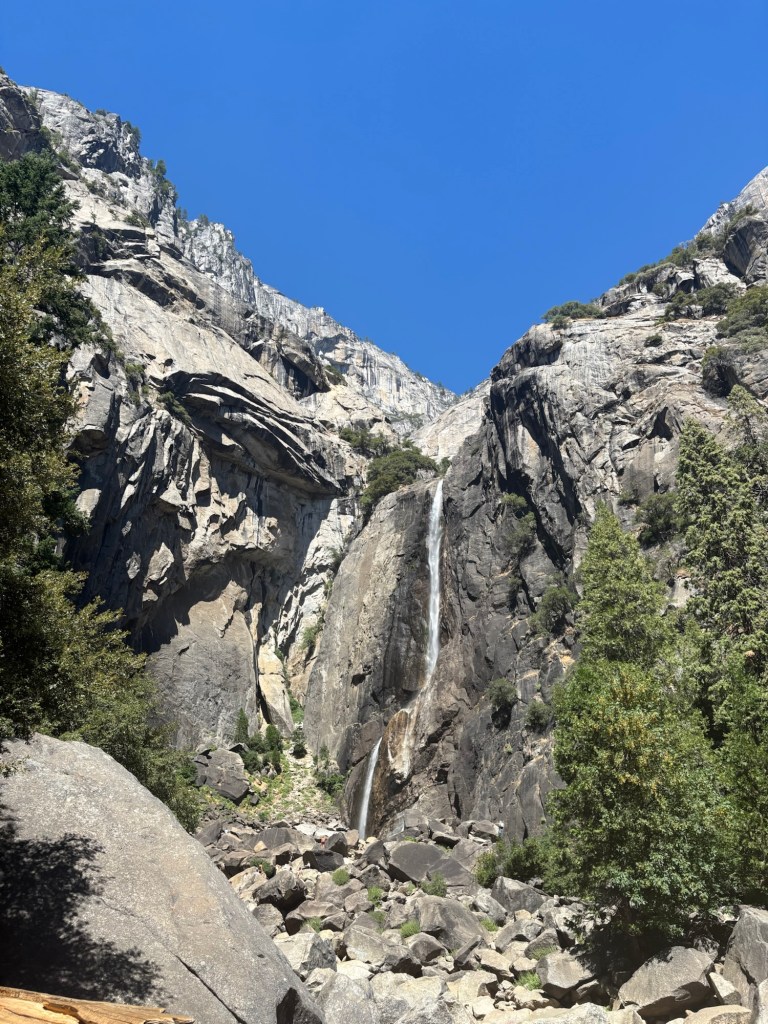
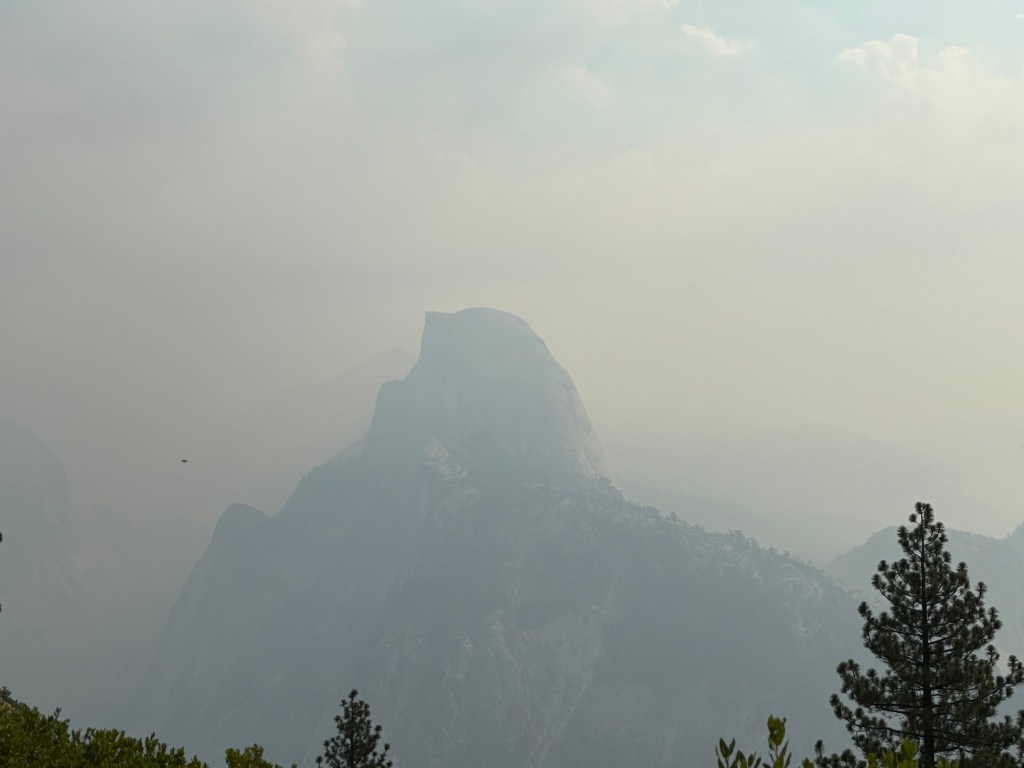
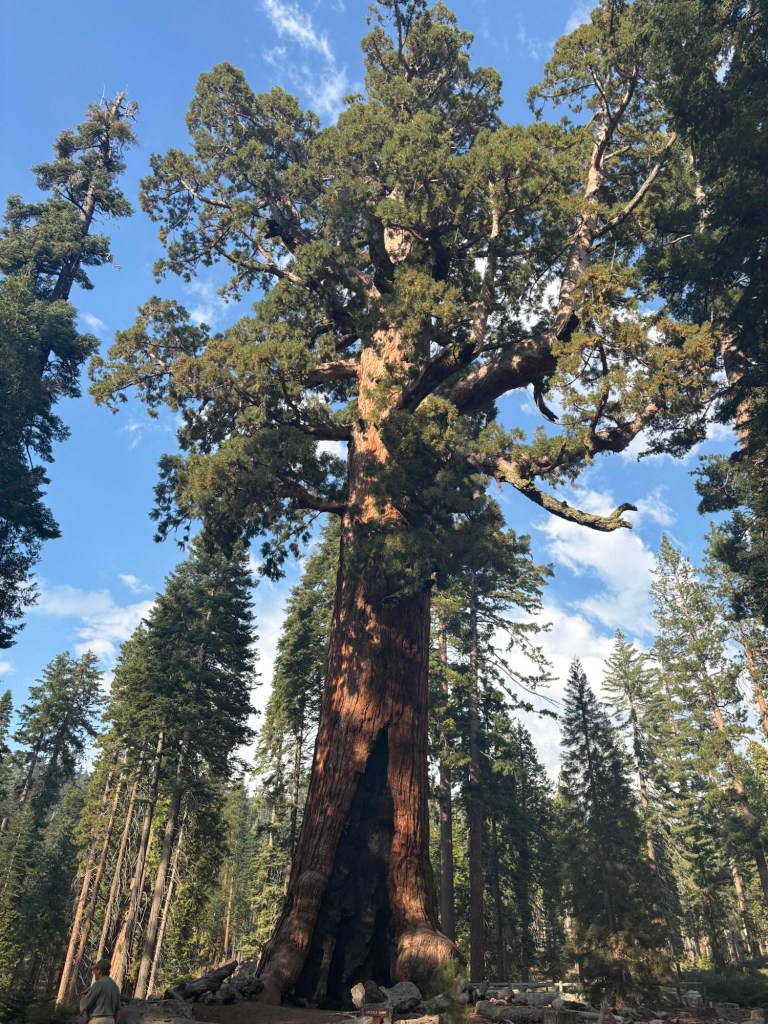
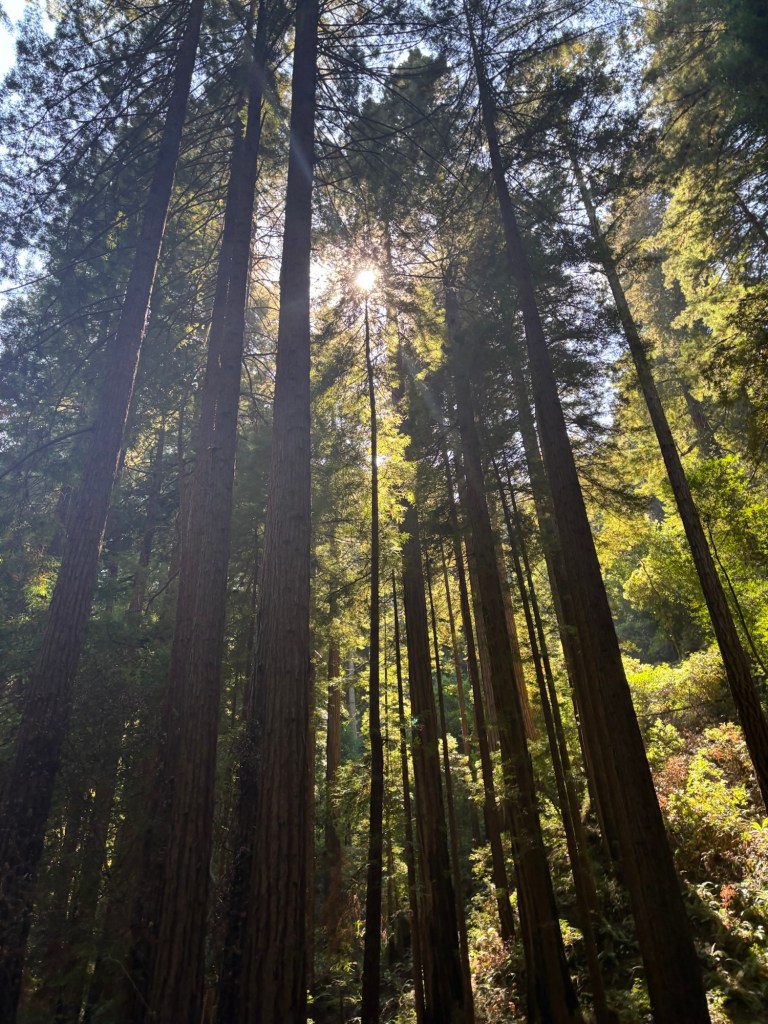
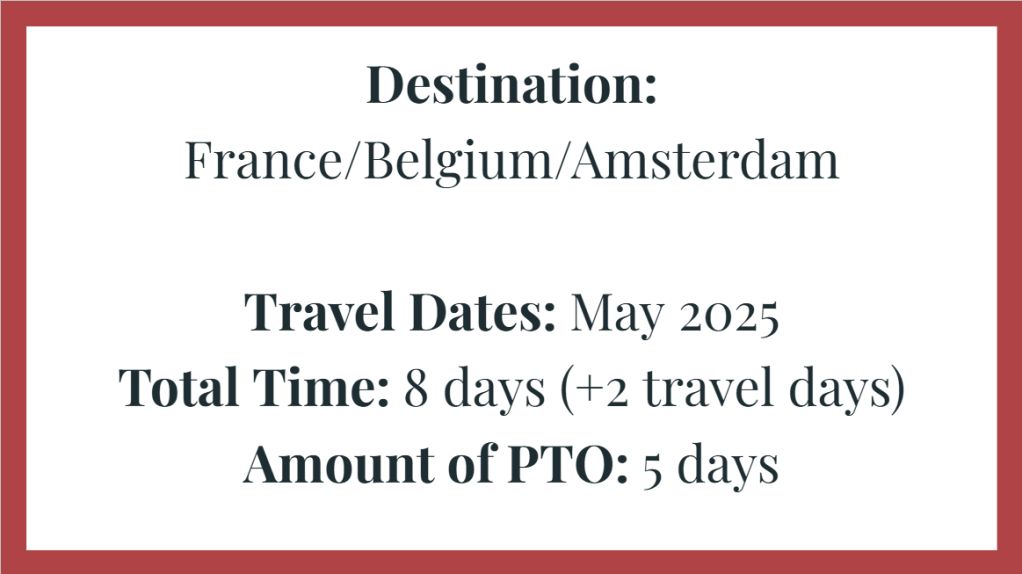
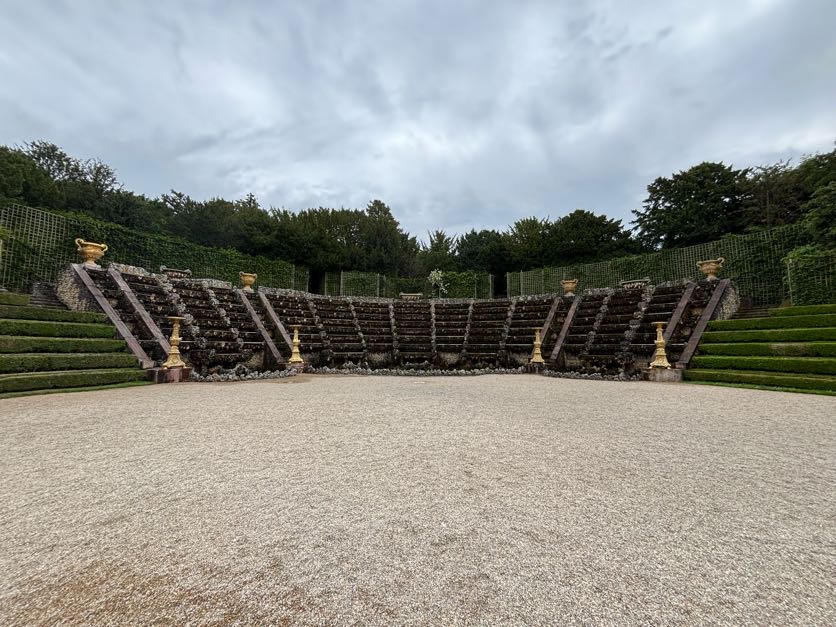
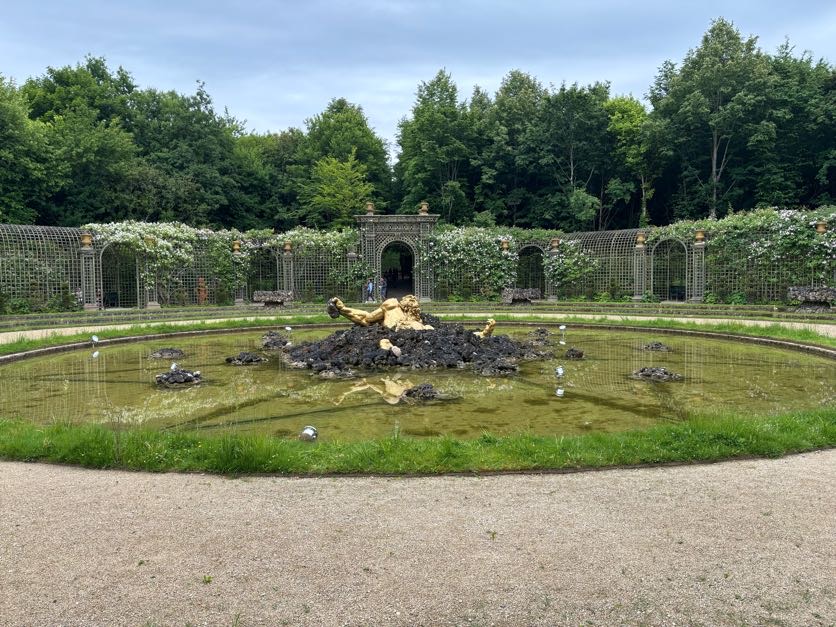
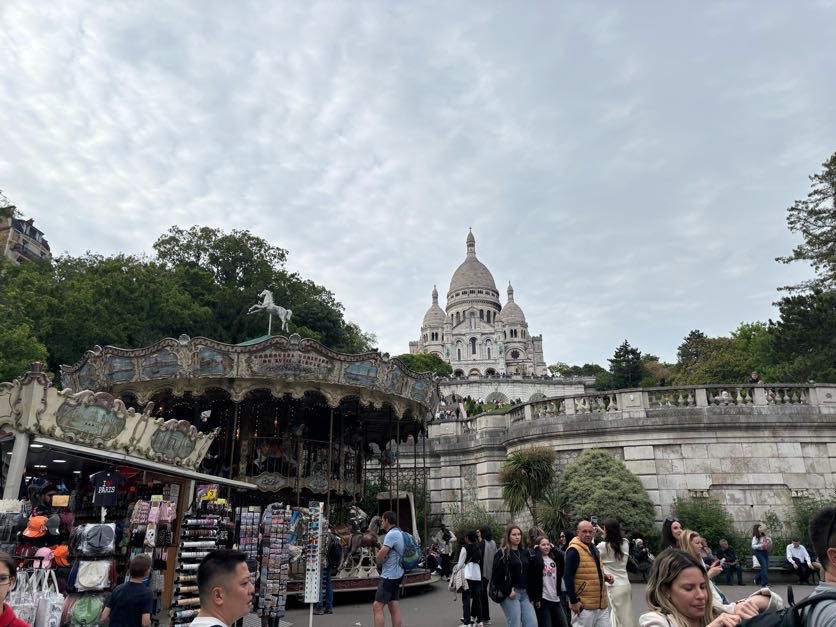
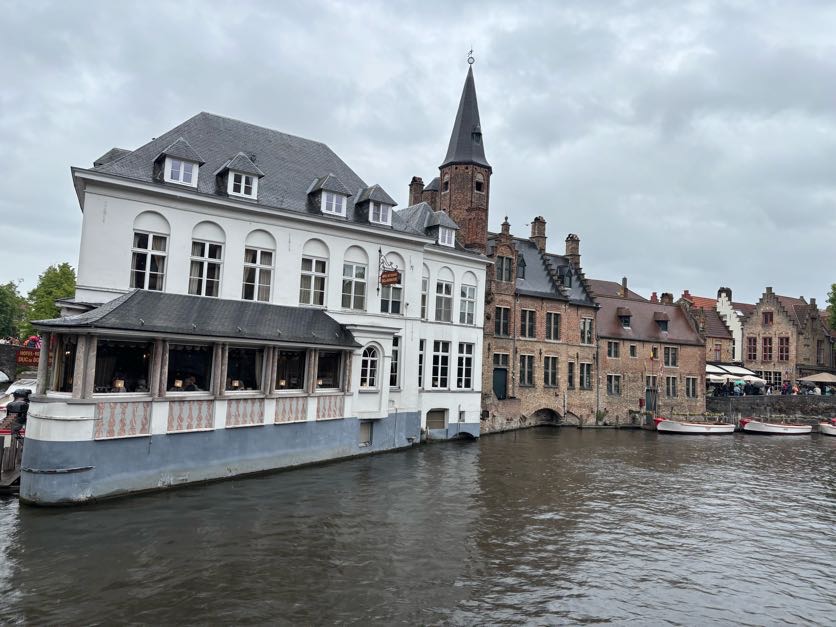
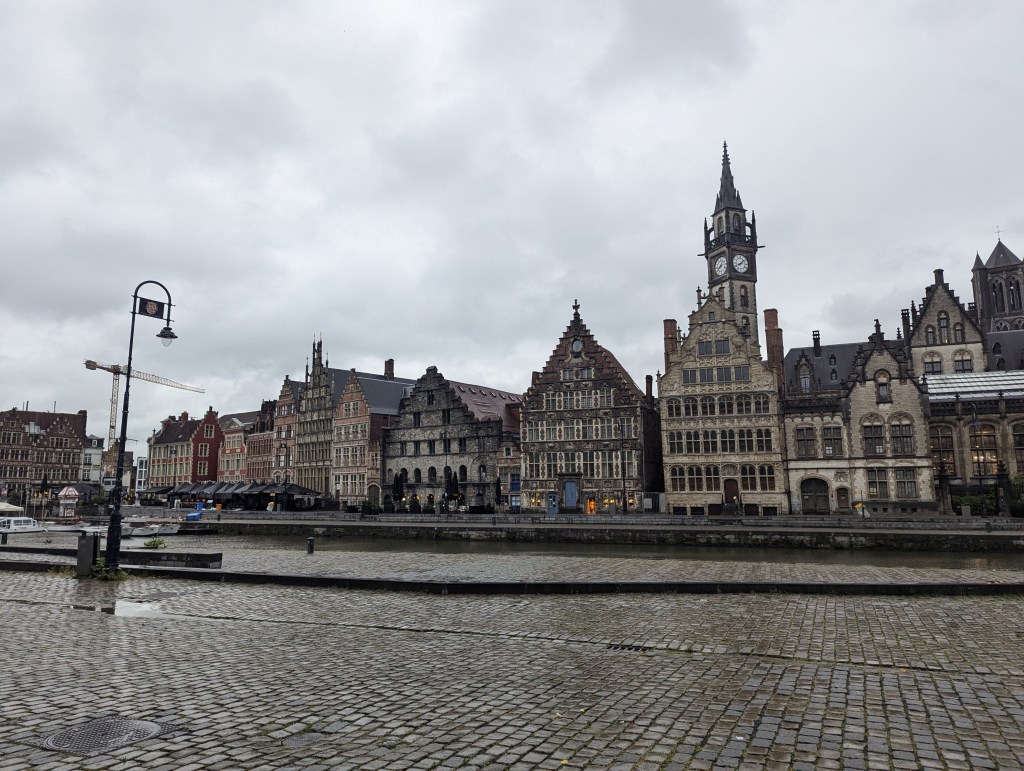
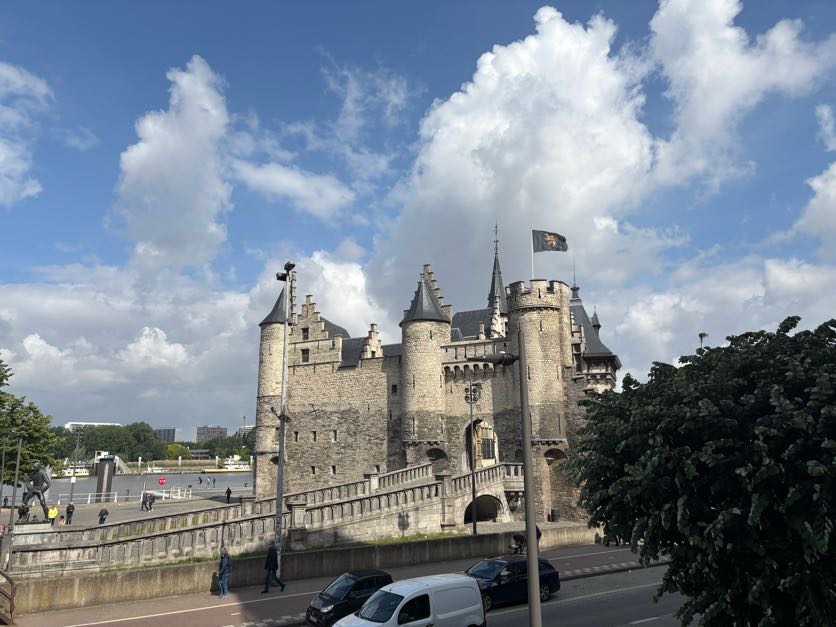
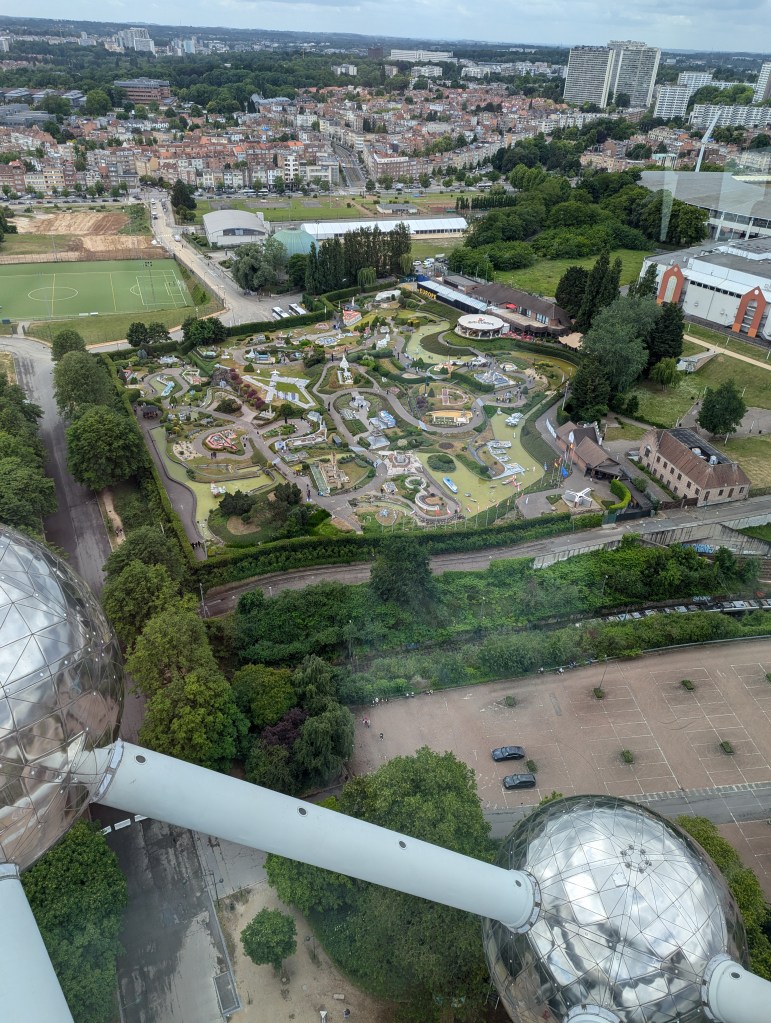
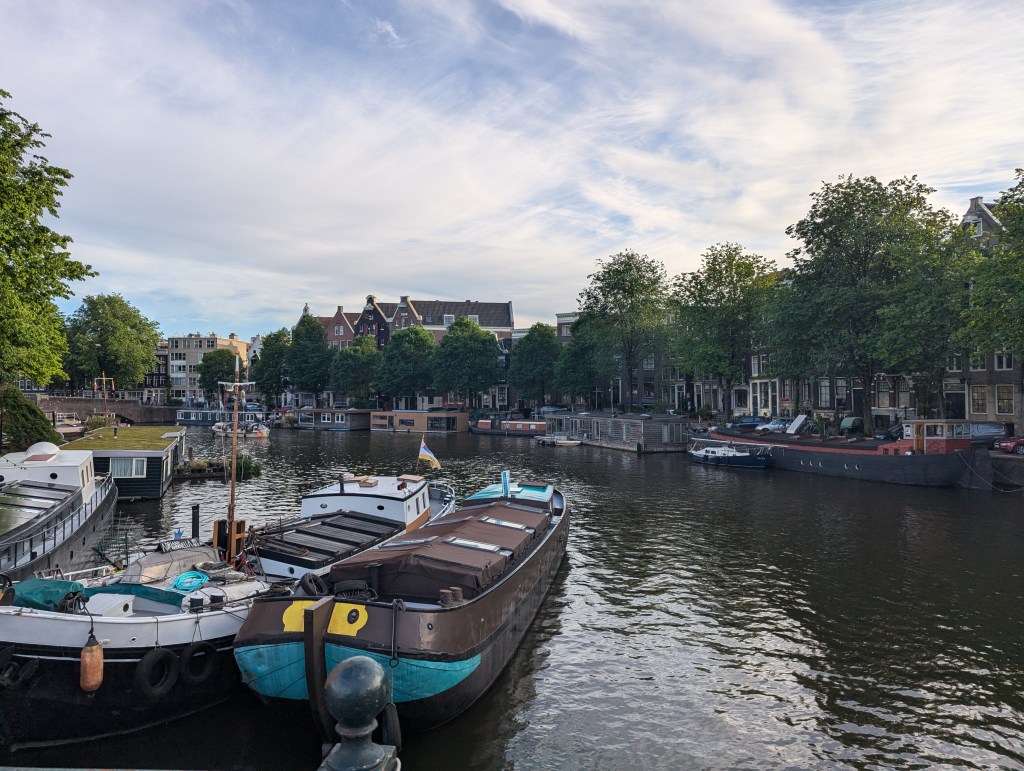
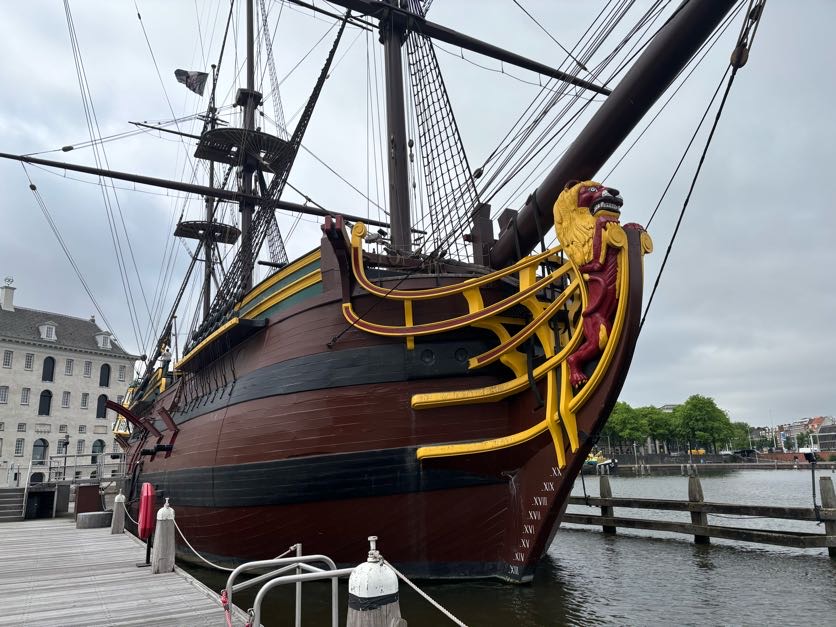



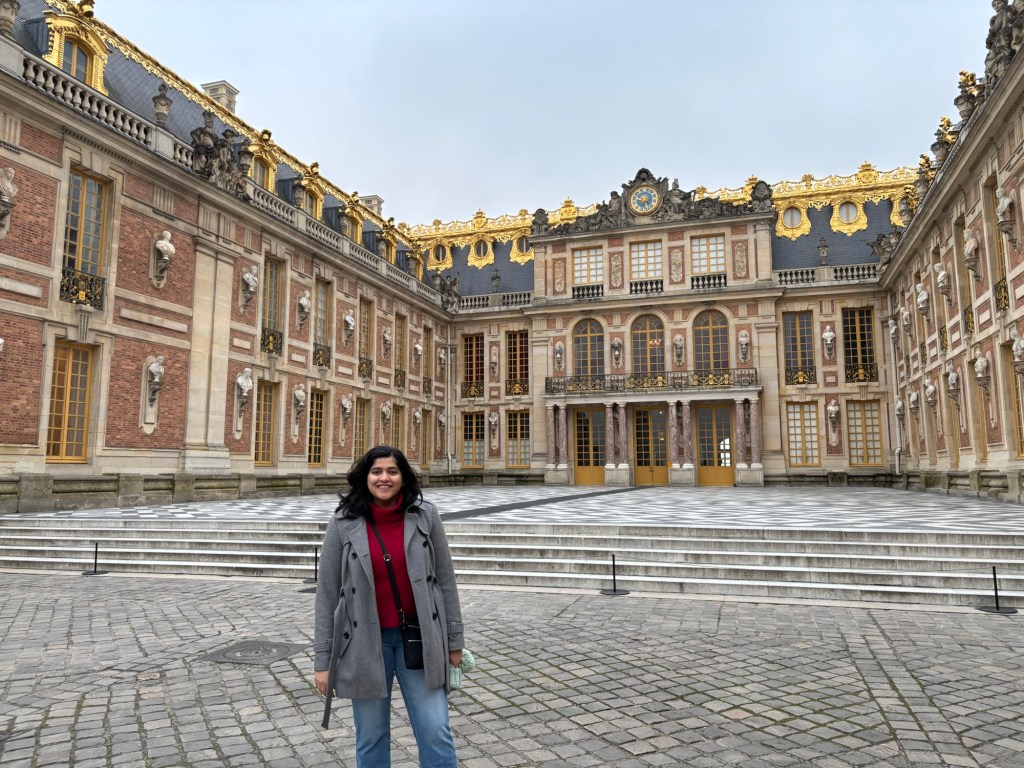
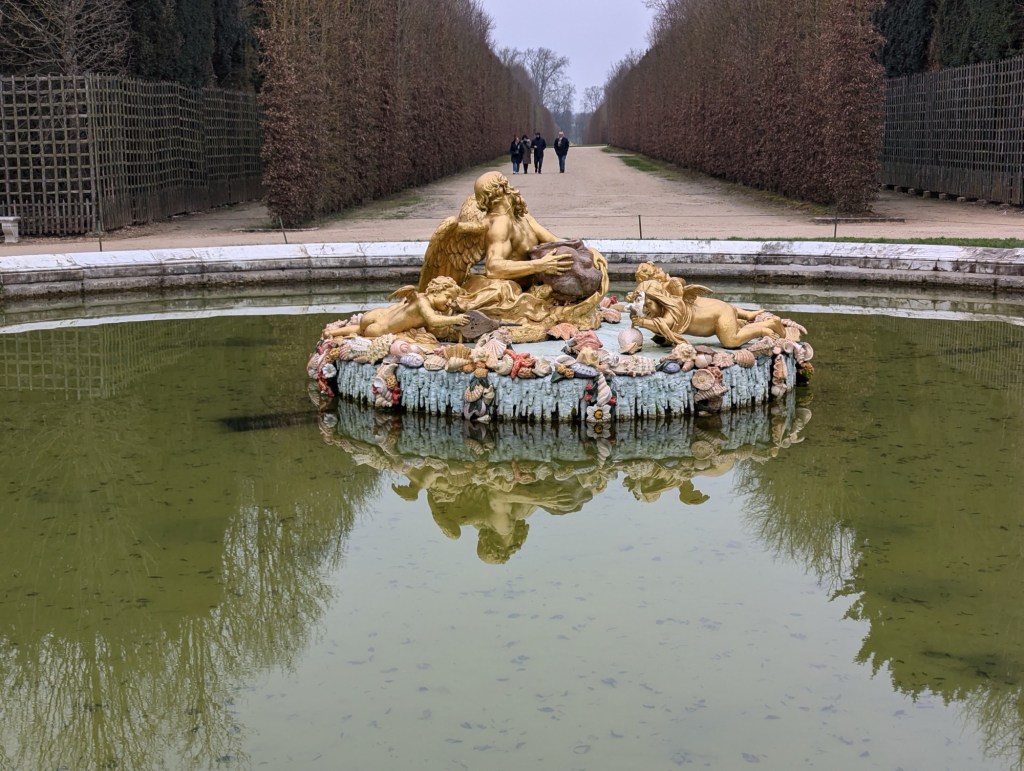
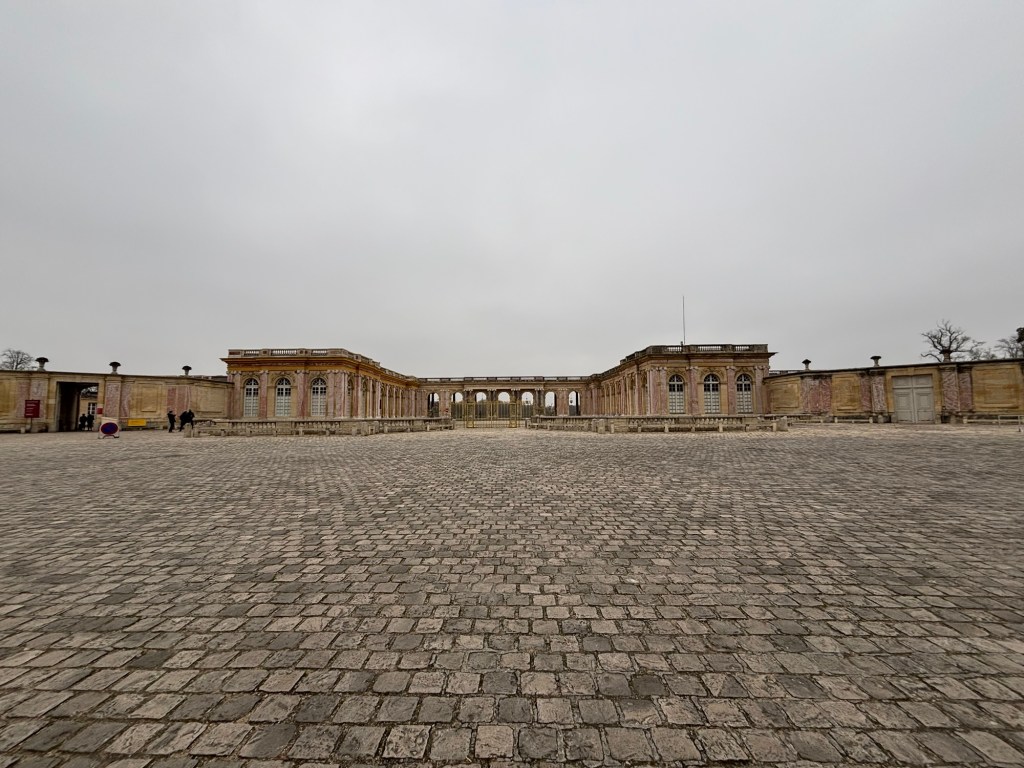
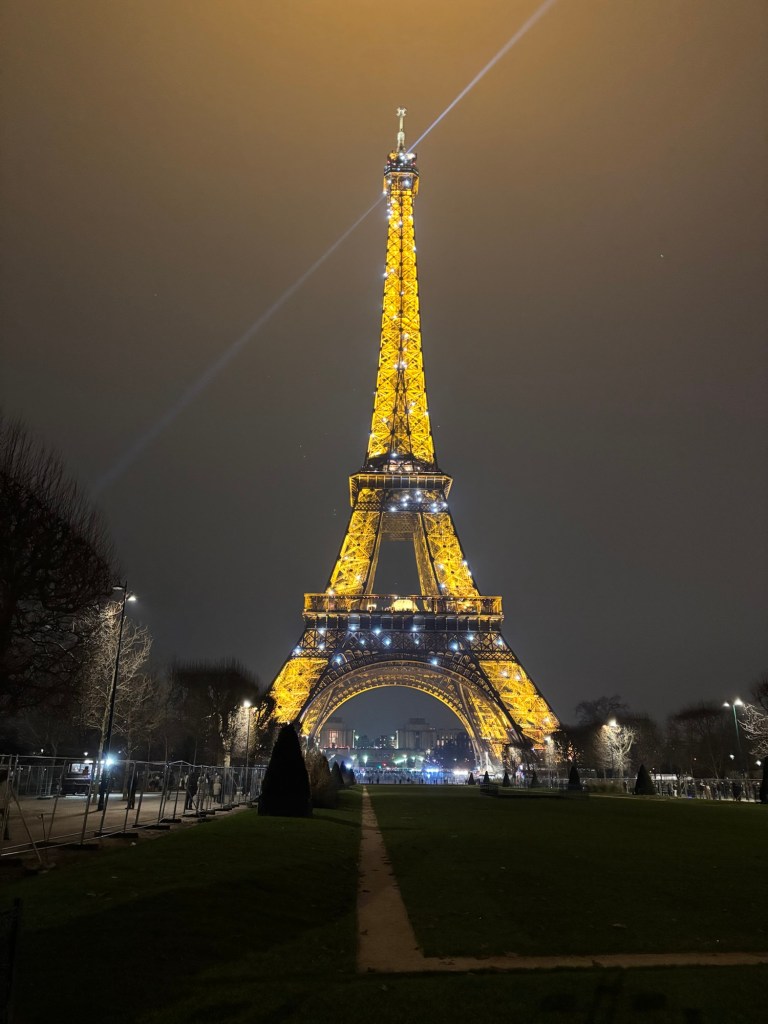
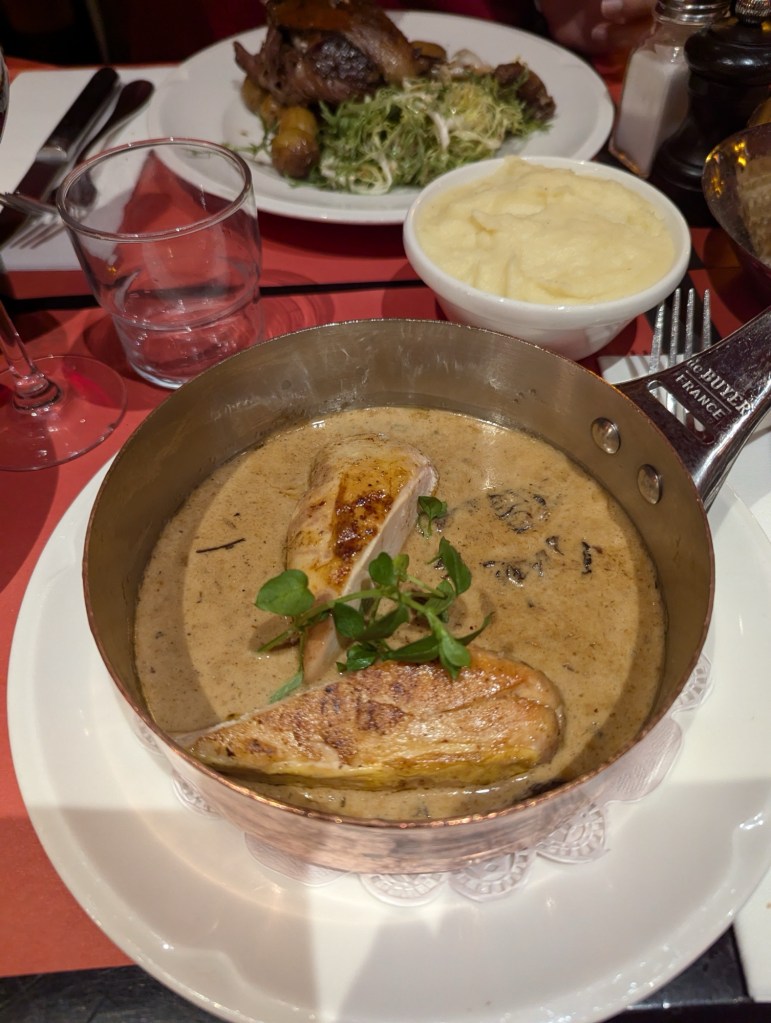
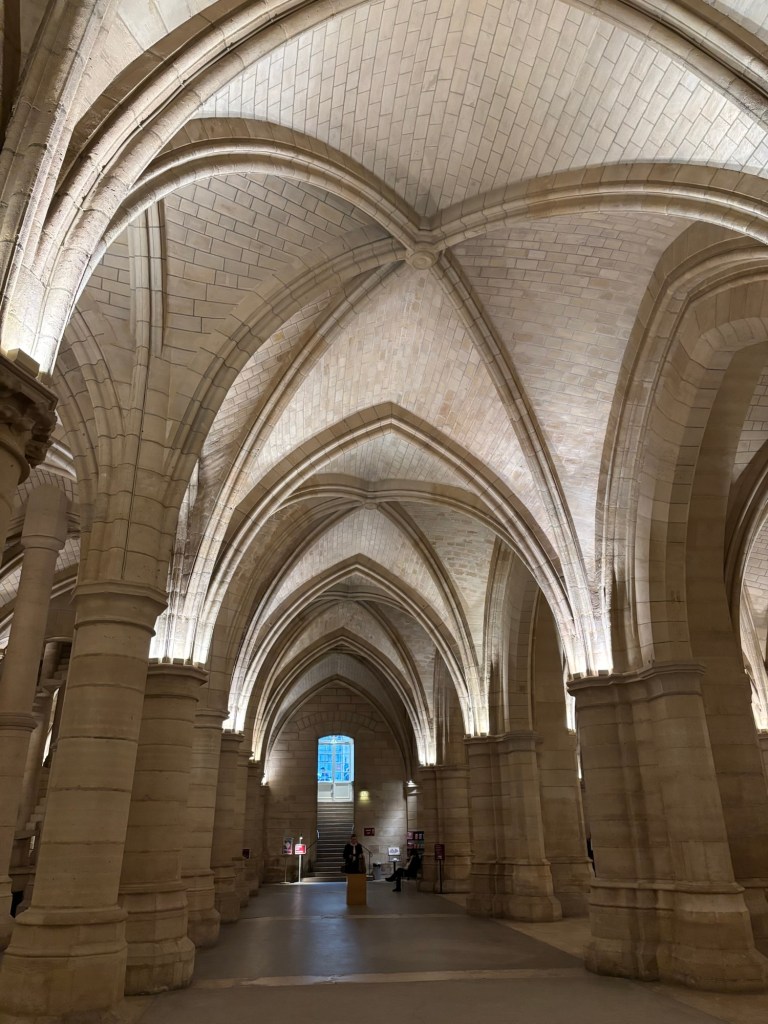
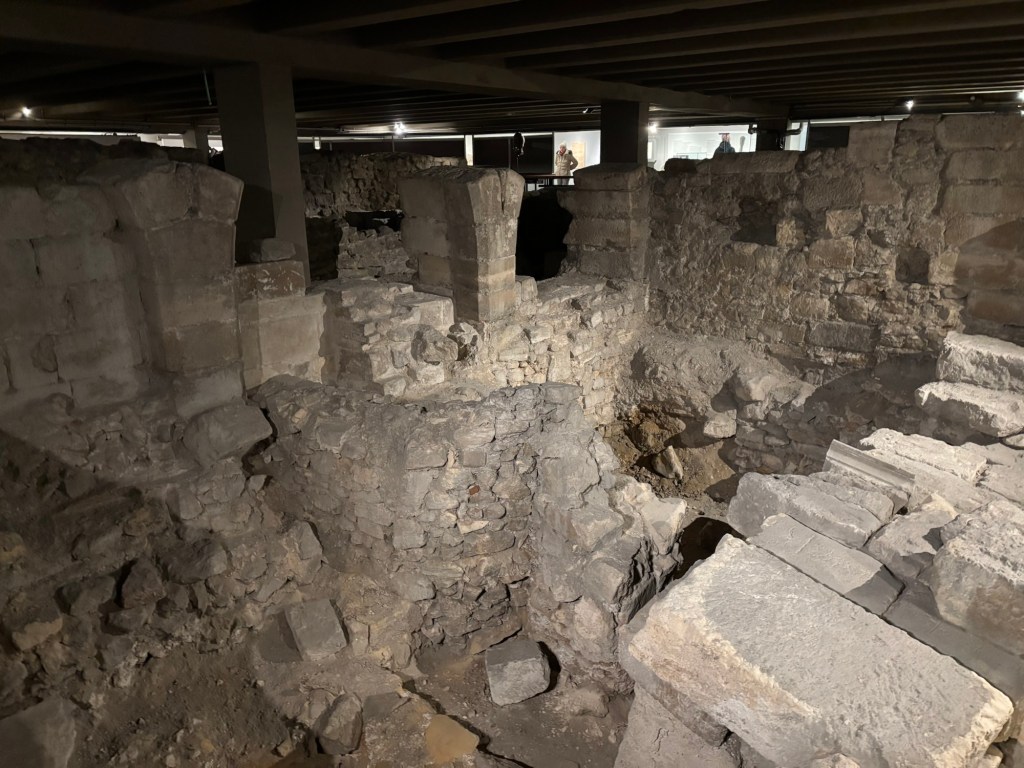
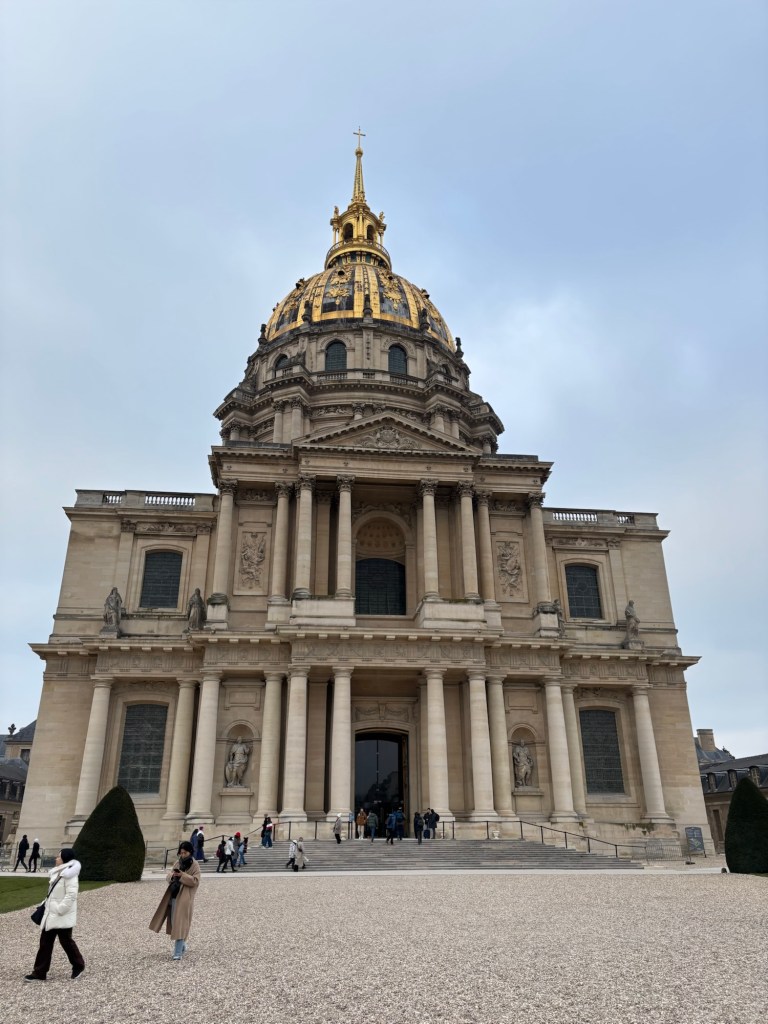
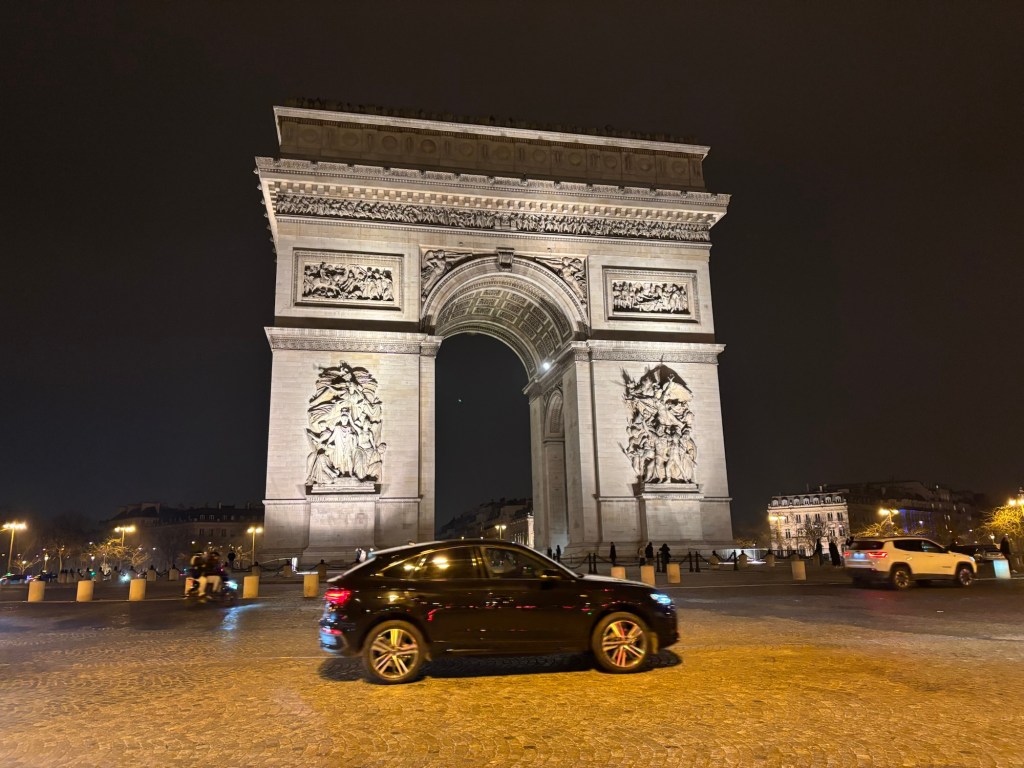
 Paper Cut Pages